Spring Festival · La Fiesta de la Primavera
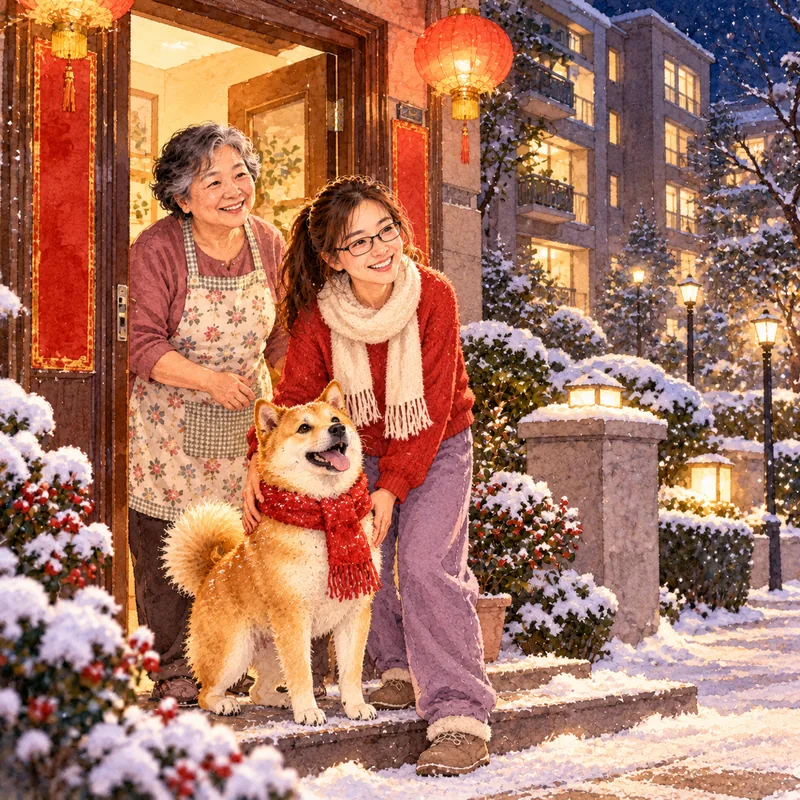 1
Spring Festival at a Friend's Home in China
La Fiesta de la Primavera en casa de una amiga en China
 2
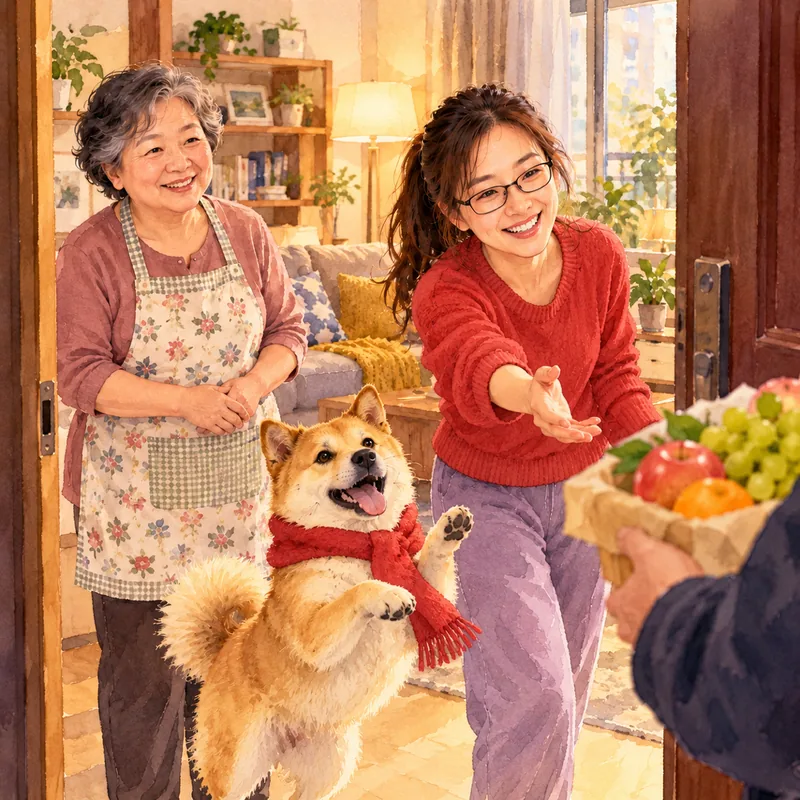
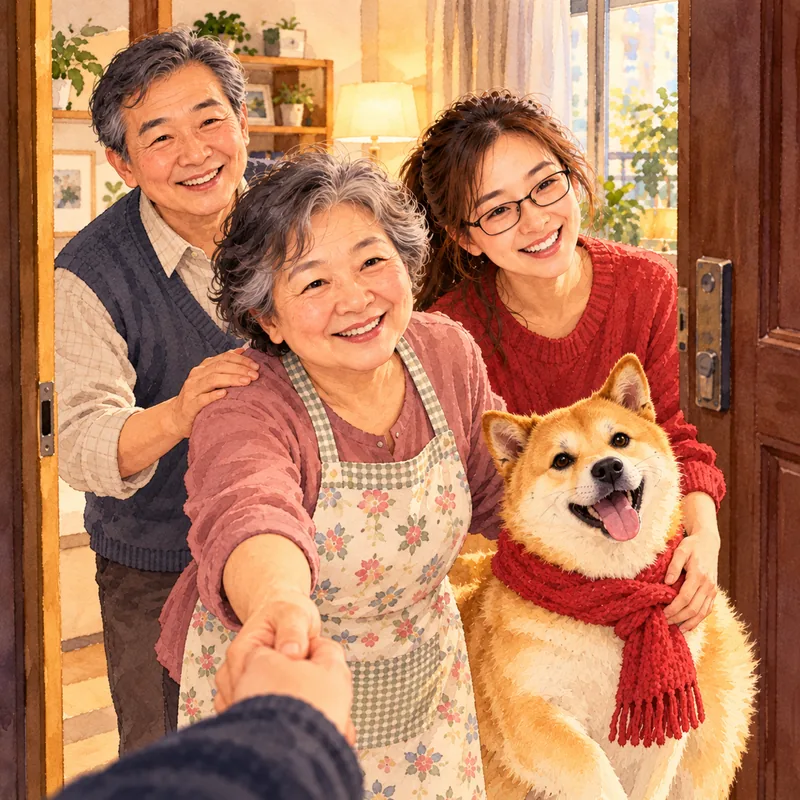
Me: Happy New Year, Wáng Lì! Wáng Lì: Happy New Year! Mark, come in quick — it's cold out there!
Yo: ¡Feliz Año Nuevo, Wáng Lì! Wáng Lì: ¡Feliz Año Nuevo! Mark, pase rápido, ¡hace mucho frío afuera!
 3
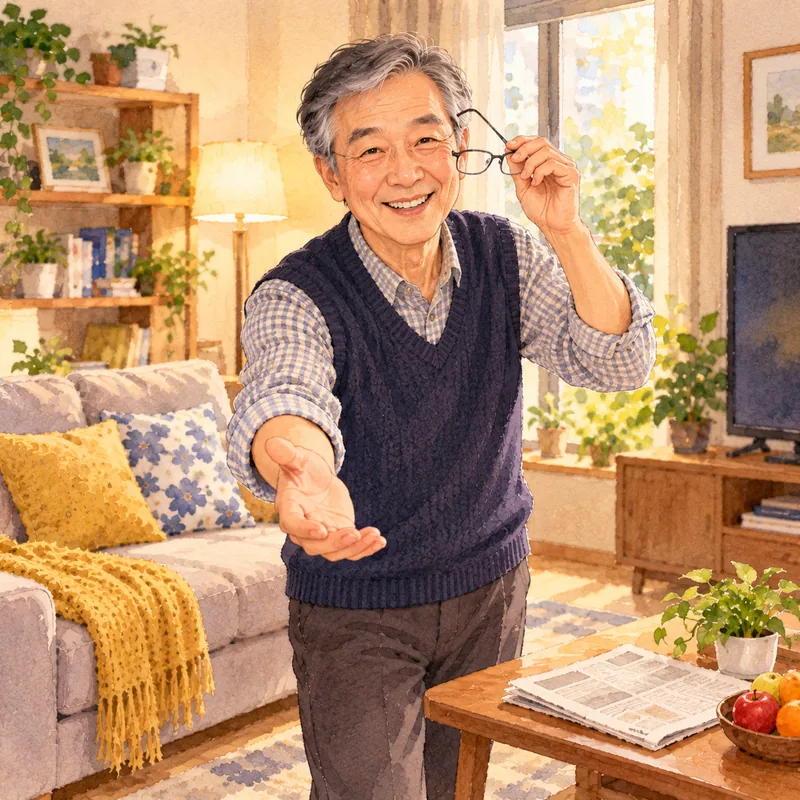
Wáng Lì: This is my dad. Me: Hello, Shūshu! Happy New Year, Shūshu! Dad: Happy New Year! Welcome — we're glad you're spending the New Year with us!
Wáng Lì: Este es mi papá. Yo: ¡Buenas, Shūshu! ¡Feliz Año Nuevo, Shūshu! Papá: ¡Feliz Año Nuevo! ¡Bienvenido a pasar el Año Nuevo con nosotros!
 4
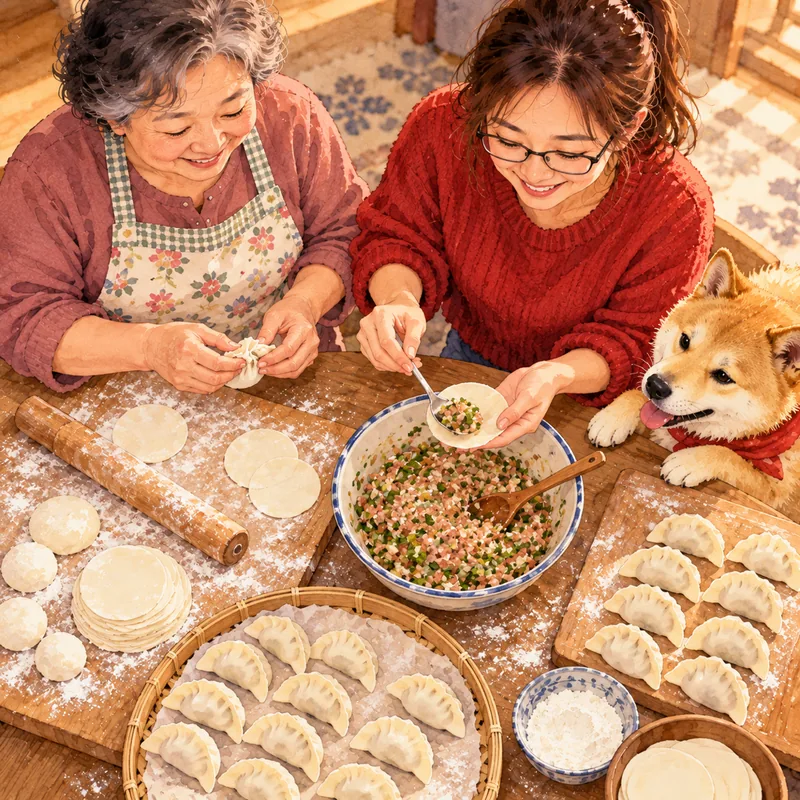
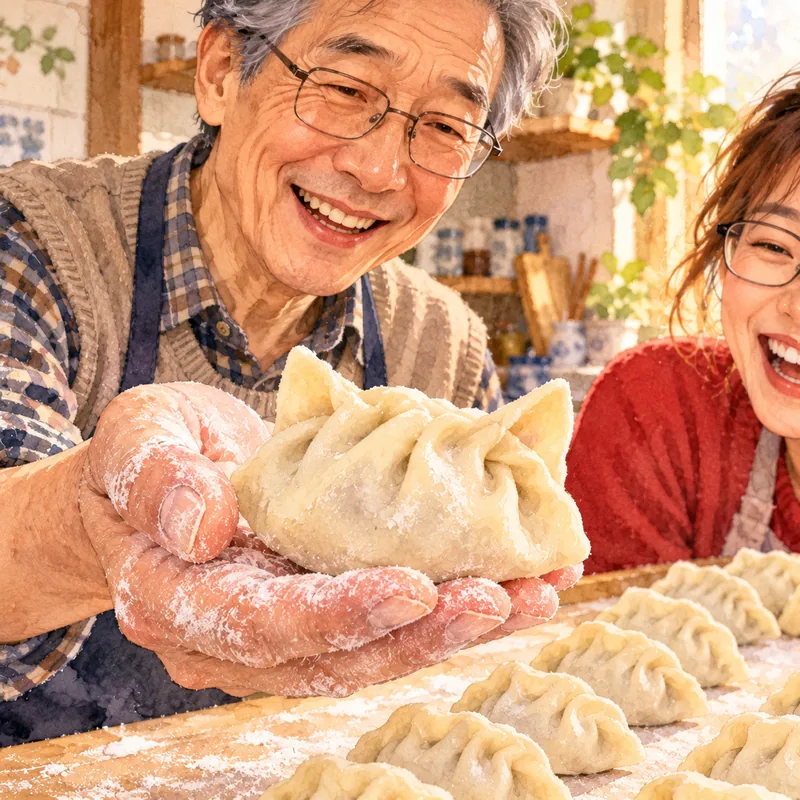
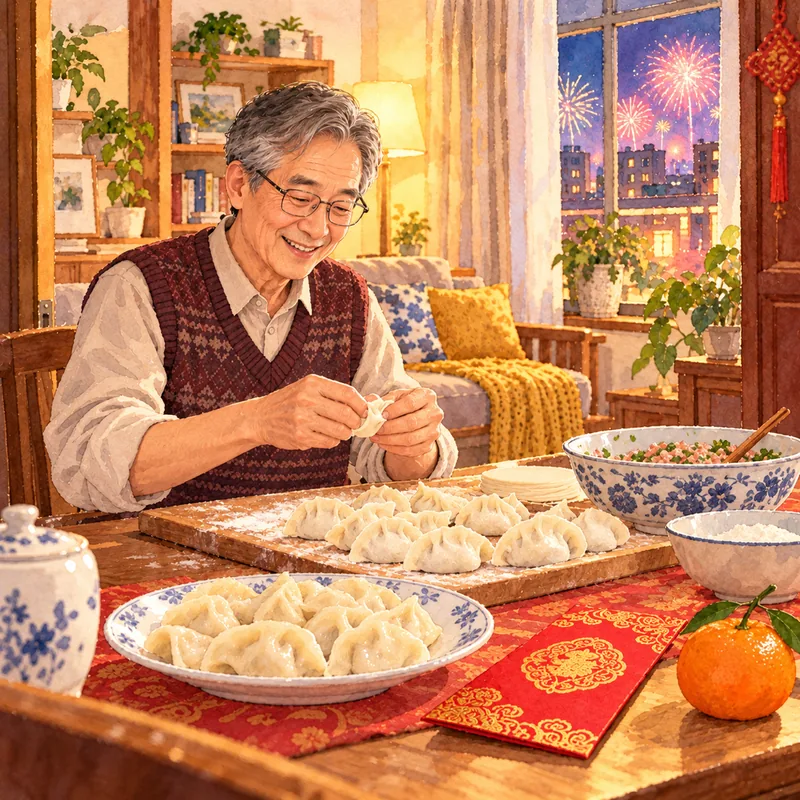
Mom: Mark, let's make dumplings together. Me: Sure! But I don't know how to make dumplings. Wáng Lì: No problem, I'll teach you.
Mamá: Mark, hagamos dumplings juntos. Yo: ¡Claro! Pero no sé hacer dumplings. Wáng Lì: No pasa nada, yo le enseño.
 5
Me: Look — how's my dumpling? Wáng Lì: Ha ha, your dumpling looks like a little cat!
Yo: Mire, ¿qué tal mi dumpling? Wáng Lì: ¡Ja, ja, su dumpling parece un gatito!
 6
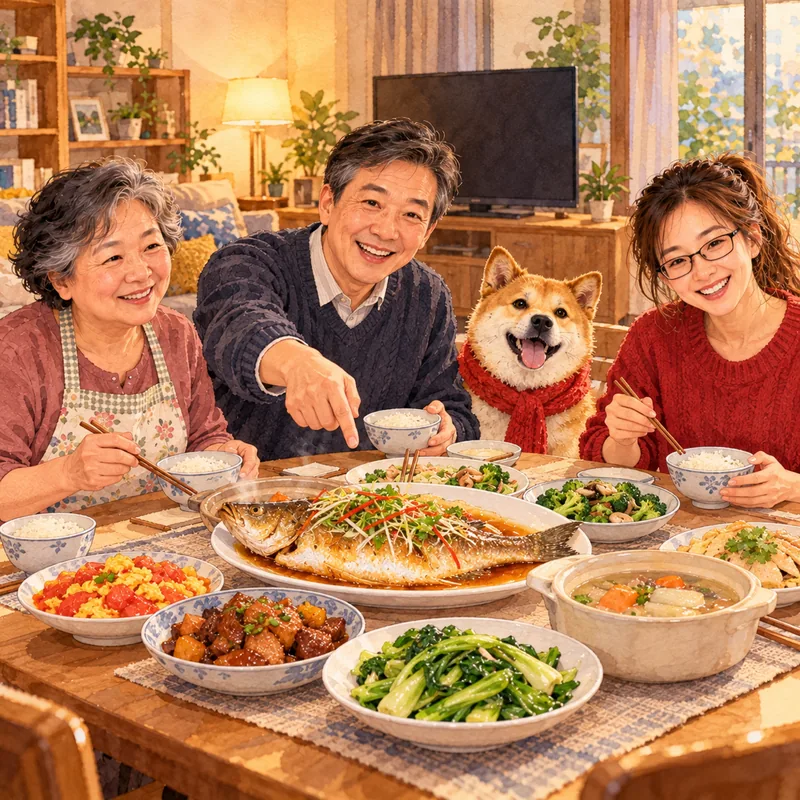
Dad: You have to eat fish at New Year — "niánnián yǒu yú"! Me: What does "niánnián yǒu yú" mean? Wáng Lì: It means having more than enough every year — life getting better and better.
Papá: En Año Nuevo hay que comer pescado: ¡"niánnián yǒu yú"! Yo: ¿Qué significa "niánnián yǒu yú"? Wáng Lì: Significa tener de sobra cada año, que la vida vaya cada vez mejor.
 7
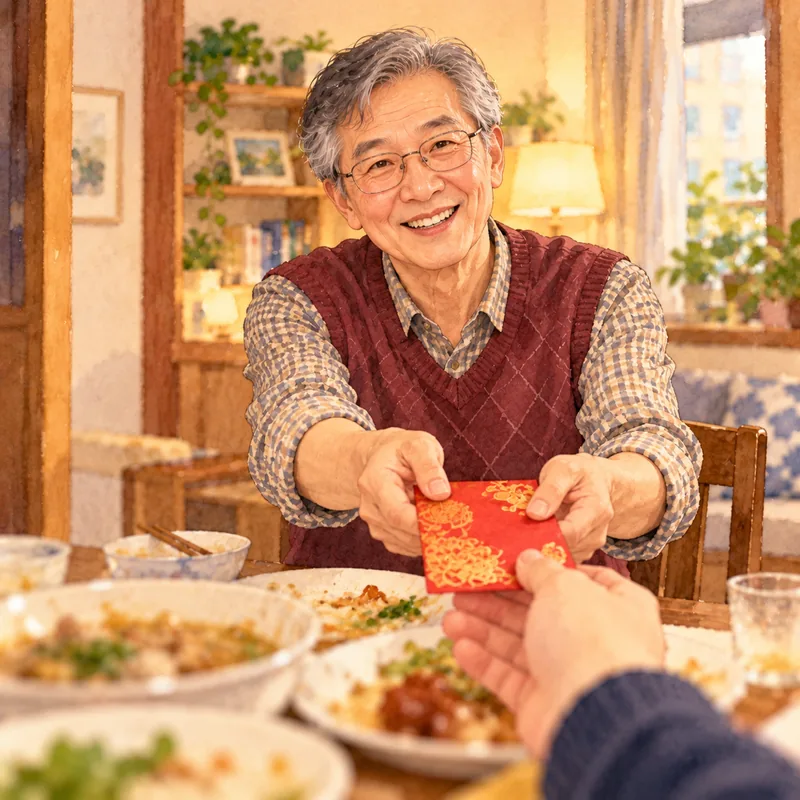
Dad: Mark, this red envelope is for you. Me: Thank you, Shūshu! Wishing you prosperity! Dad: Ha ha — your Chinese is getting better and better!
Papá: Mark, este sobre rojo es para ti. Yo: ¡Gracias, Shūshu! ¡Que tenga mucha prosperidad! Papá: ¡Ja, ja, tu chino está cada vez mejor!
 8
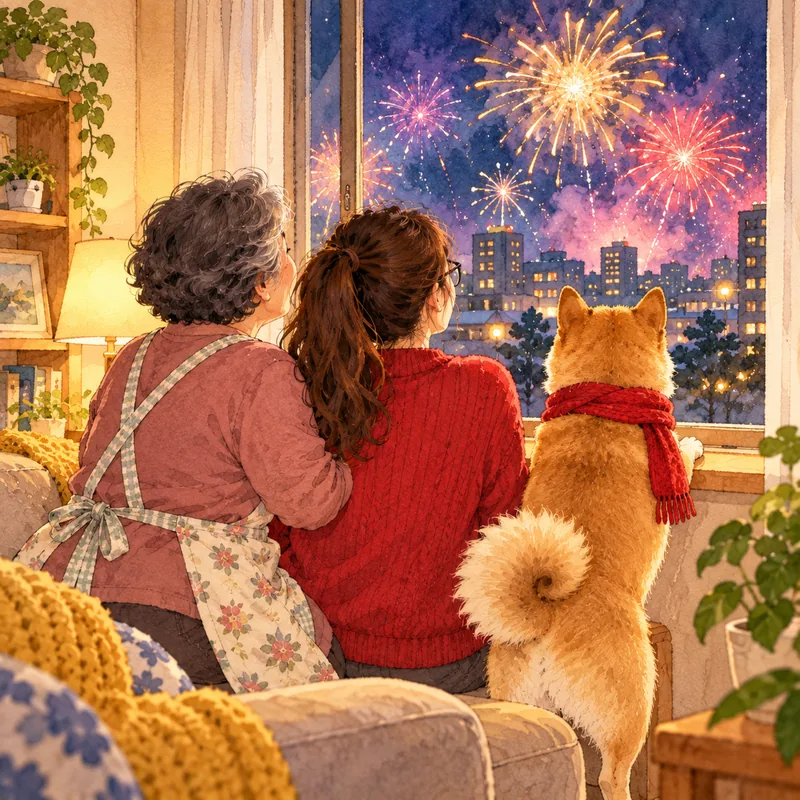
Wáng Lì: Look, fireworks! Me: The fireworks are beautiful! Happy New Year!
Wáng Lì: ¡Mire, fuegos artificiales! Yo: ¡Qué bonitos los fuegos artificiales! ¡Feliz Año Nuevo!
 9
Me: This is my first Spring Festival in China. Thank you all! Mom: We're family now — come spend the Spring Festival with us every year!
Yo: Esta es mi primera Fiesta de la Primavera en China. ¡Gracias a todos! Mamá: ¡Ya somos familia! ¡Venga a pasar la Fiesta de la Primavera con nosotros cada año!
 10
Good to know: at Chinese New Year, people greet each other with "xīnnián hǎo" or "guònián hǎo". When Chinese people say "guònián" (celebrating the New Year), they usually mean the Spring Festival, not New Year's Day on January 1. The New Year's Eve dinner must have fish, because "fish" (yú) sounds like "surplus" (yú).
Dato útil: en el Año Nuevo chino, al verse se dice "xīnnián hǎo" o "guònián hǎo". Cuando los chinos dicen "guònián" (pasar el Año Nuevo), casi siempre se refieren a la Fiesta de la Primavera, no al 1 de enero. En la cena de Nochevieja no puede faltar el pescado, porque "pescado" (yú) suena igual que "abundancia" (yú).
Draw your favorite part here.
Dibuja aquí lo que más te gustó.

Listen to the story free
Escucha el cuento gratis
chinesepicturebooks.com