过春节
Spring Festival
La Fiesta de la Primavera
📚 交朋友 · Making friends · Hacer amigos · 5 本 · 5 books →
朋友·邻居 · Friends & Neighbors · Amigos y vecinos中国文化 · Chinese Culture · Cultura china
🛤 Your First 20 Books in Chinese · 17 / 20路上的下一本 · Next on the road · Siguiente →
看朗读视频:点下面的按钮 · Watch the read-along: tap a button · Ver el video: toca un botón
锁屏也能听 · Works with the screen locked · Funciona con la pantalla bloqueada

zài Zhōngguó péngyou jiā guò Chūnjié
在中国朋友家过春节
Spring Festival at a Friend's Home in China
一次看完 · The whole book · Todo el cuento
在中国朋友家过春节
Spring Festival at a Friend's Home in China
La Fiesta de la Primavera en casa de una amiga en China
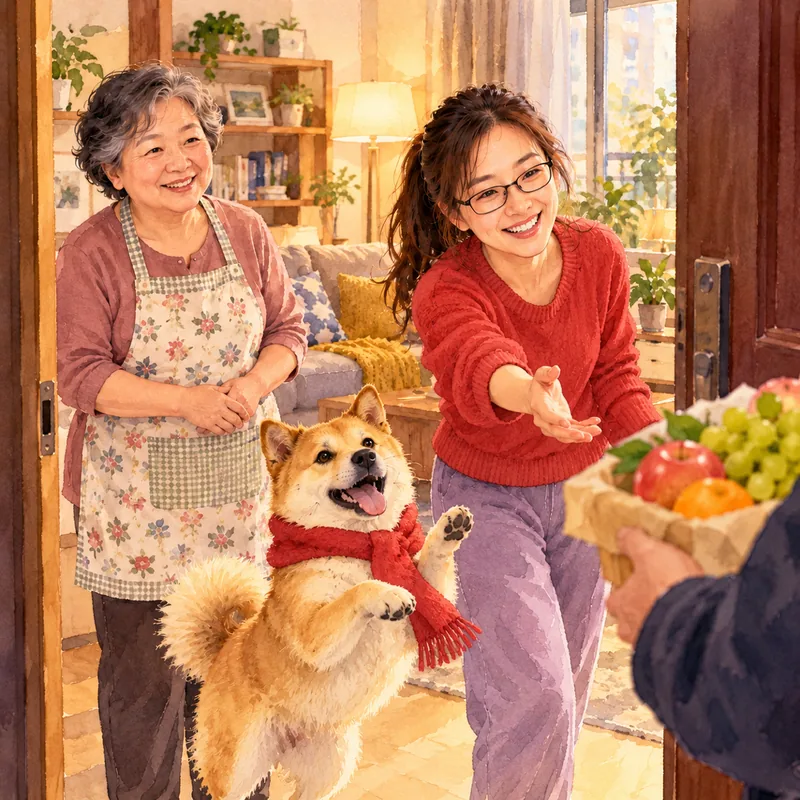
我:王丽,新年好!
Me: Happy New Year, Wáng Lì!
Yo: ¡Feliz Año Nuevo, Wáng Lì!
王丽:新年好!马克,快进来,外面很冷!
Wáng Lì: Happy New Year! Mark, come in quick — it's cold out there!
Wáng Lì: ¡Feliz Año Nuevo! Mark, pase rápido, ¡hace mucho frío afuera!
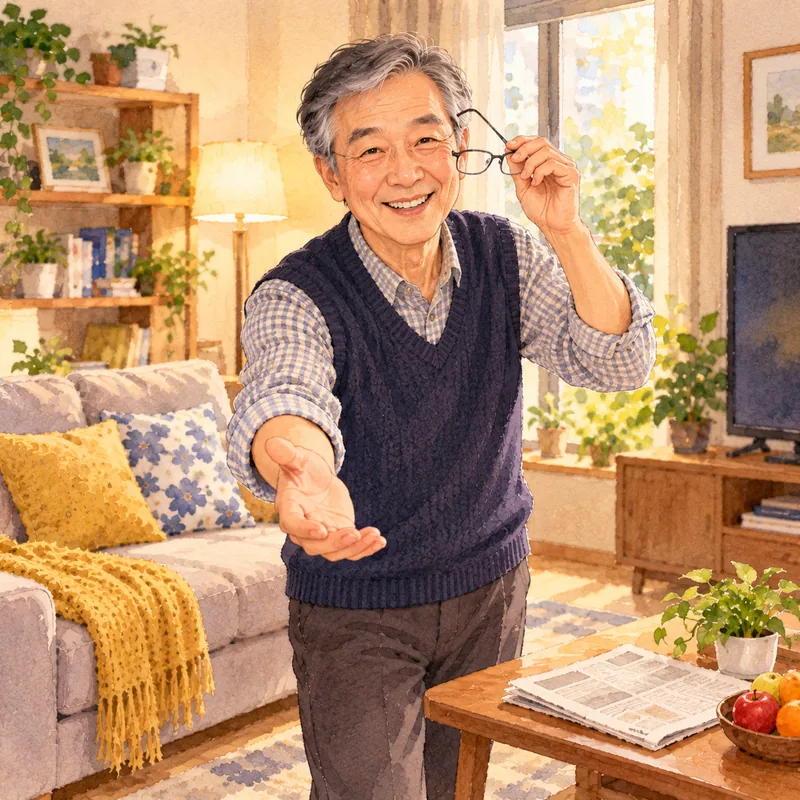
王丽:这是我爸爸。
Wáng Lì: This is my dad.
Wáng Lì: Este es mi papá.
我:叔叔好!叔叔,新年好!
Me: Hello, Shūshu! Happy New Year, Shūshu!
Yo: ¡Buenas, Shūshu! ¡Feliz Año Nuevo, Shūshu!
爸爸:新年好!欢迎你来我们家过年!
Dad: Happy New Year! Welcome — we're glad you're spending the New Year with us!
Papá: ¡Feliz Año Nuevo! ¡Bienvenido a pasar el Año Nuevo con nosotros!
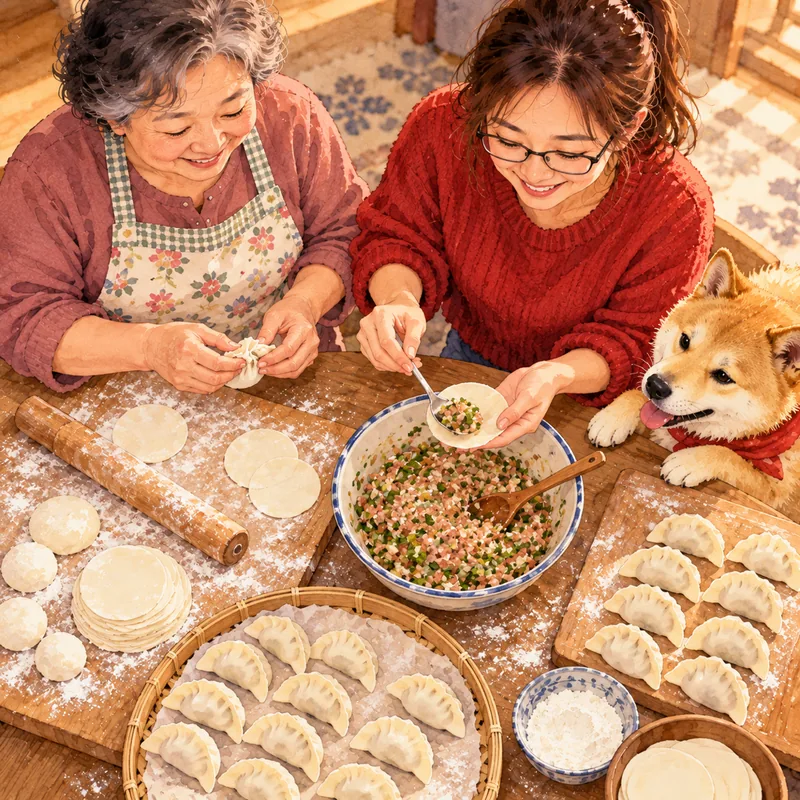
妈妈:马克,我们一起包饺子吧。
Mom: Mark, let's make dumplings together.
Mamá: Mark, hagamos dumplings juntos.
我:好啊!可是我不会包饺子。
Me: Sure! But I don't know how to make dumplings.
Yo: ¡Claro! Pero no sé hacer dumplings.
王丽:没关系,我教你。
Wáng Lì: No problem, I'll teach you.
Wáng Lì: No pasa nada, yo le enseño.
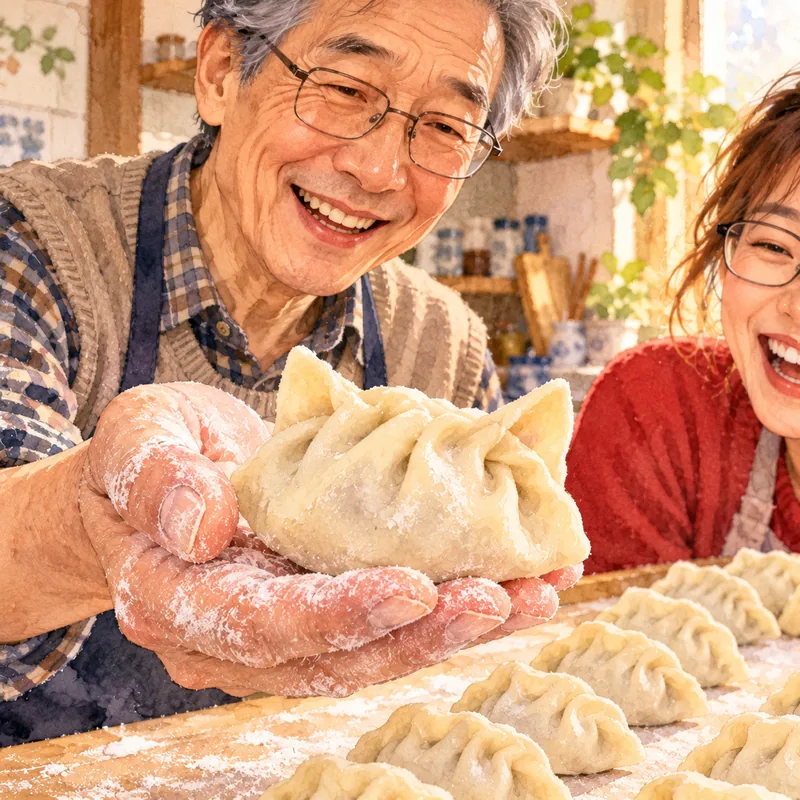
我:你看,我包的饺子怎么样?
Me: Look — how's my dumpling?
Yo: Mire, ¿qué tal mi dumpling?
王丽:哈哈,你包的饺子像一只小猫!
Wáng Lì: Ha ha, your dumpling looks like a little cat!
Wáng Lì: ¡Ja, ja, su dumpling parece un gatito!
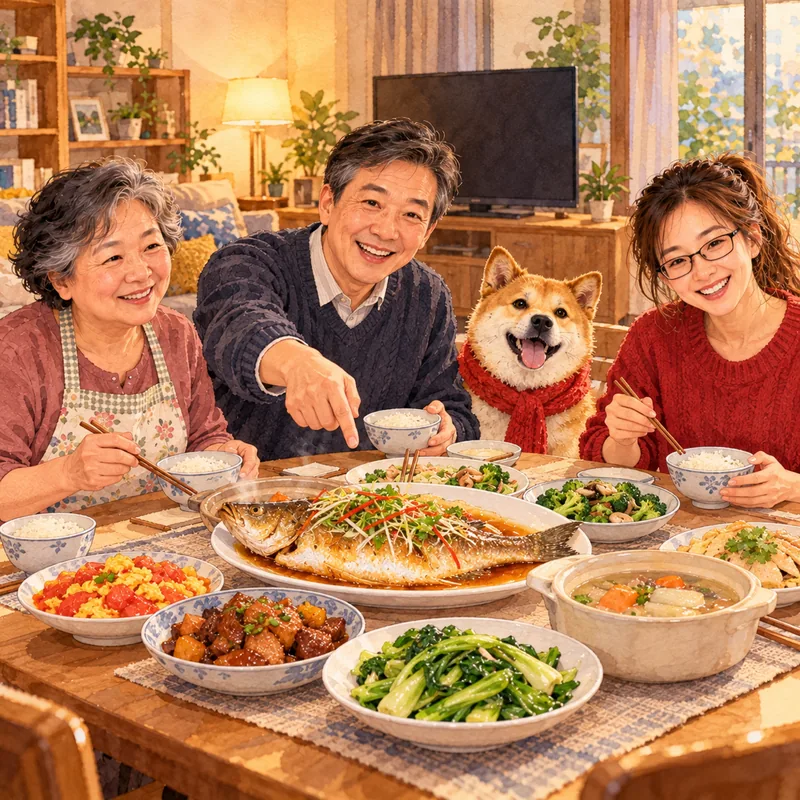
爸爸:过年一定要吃鱼,「年年有余」!
Dad: You have to eat fish at New Year — "niánnián yǒu yú"!
Papá: En Año Nuevo hay que comer pescado: ¡"niánnián yǒu yú"!
我:「年年有余」是什么意思?
Me: What does "niánnián yǒu yú" mean?
Yo: ¿Qué significa "niánnián yǒu yú"?
王丽:意思是每年都有多的,日子越来越好。
Wáng Lì: It means having more than enough every year — life getting better and better.
Wáng Lì: Significa tener de sobra cada año, que la vida vaya cada vez mejor.
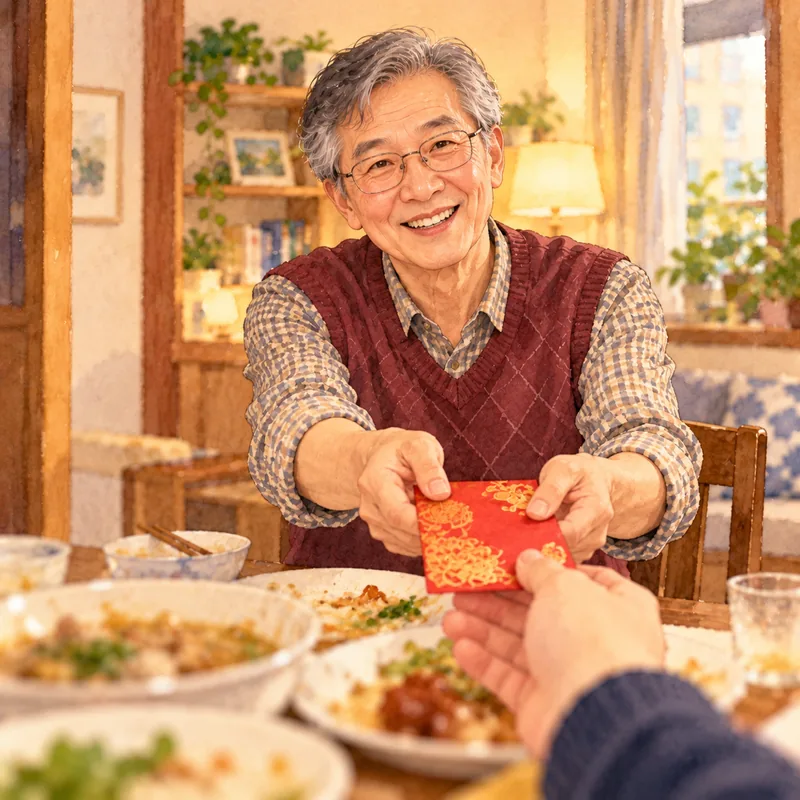
爸爸:马克,这是给你的红包。
Dad: Mark, this red envelope is for you.
Papá: Mark, este sobre rojo es para ti.
我:谢谢叔叔!恭喜发财!
Me: Thank you, Shūshu! Wishing you prosperity!
Yo: ¡Gracias, Shūshu! ¡Que tenga mucha prosperidad!
爸爸:哈哈,你的中文越来越好了!
Dad: Ha ha — your Chinese is getting better and better!
Papá: ¡Ja, ja, tu chino está cada vez mejor!

王丽:快看,放烟花了!
Wáng Lì: Look, fireworks!
Wáng Lì: ¡Mire, fuegos artificiales!
我:烟花真漂亮!新年快乐!
Me: The fireworks are beautiful! Happy New Year!
Yo: ¡Qué bonitos los fuegos artificiales! ¡Feliz Año Nuevo!
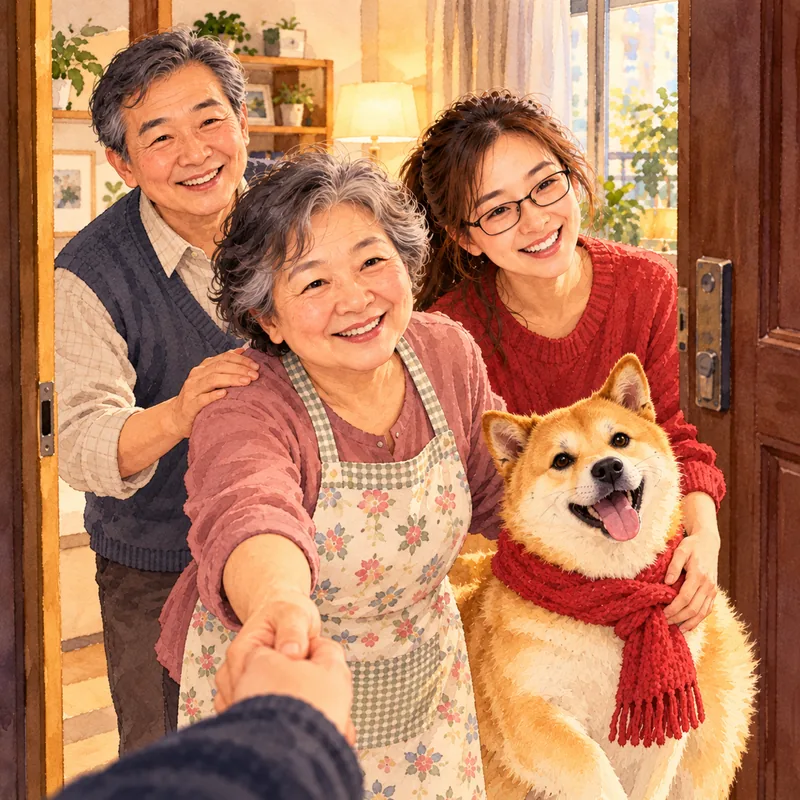
我:今年是我第一次在中国过春节。谢谢你们!
Me: This is my first Spring Festival in China. Thank you all!
Yo: Esta es mi primera Fiesta de la Primavera en China. ¡Gracias a todos!
妈妈:我们是一家人,以后每年都来我们家过春节!
Mom: We're family now — come spend the Spring Festival with us every year!
Mamá: ¡Ya somos familia! ¡Venga a pasar la Fiesta de la Primavera con nosotros cada año!
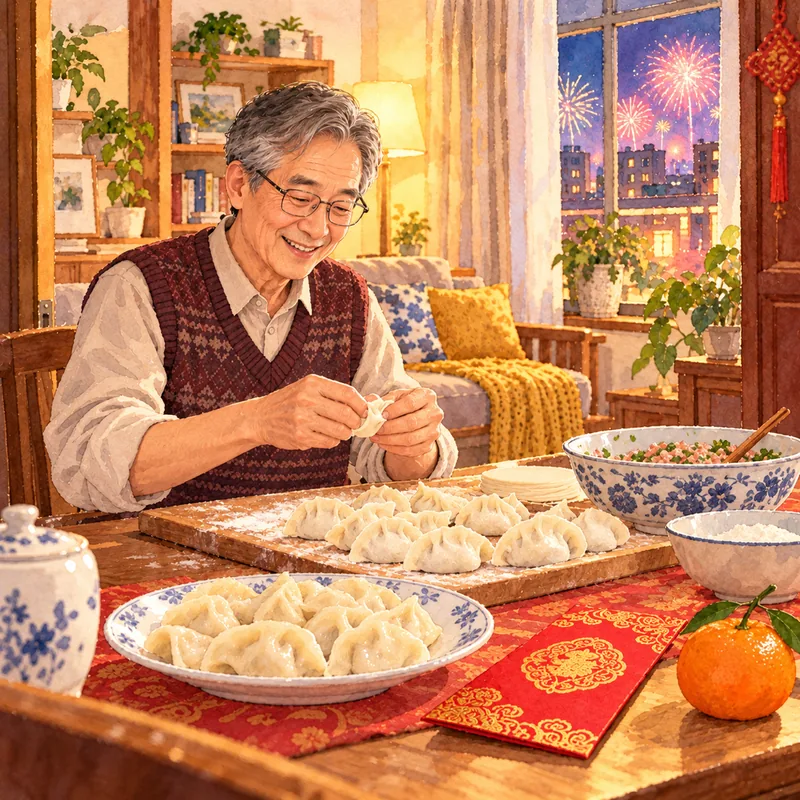
小知识:过年的时候,见面说「新年好」或者「过年好」。
Good to know: at Chinese New Year, people greet each other with "xīnnián hǎo" or "guònián hǎo".
Dato útil: en el Año Nuevo chino, al verse se dice "xīnnián hǎo" o "guònián hǎo".
中国人说「过年」,一般是说过春节,不是一月一号的元旦。
When Chinese people say "guònián" (celebrating the New Year), they usually mean the Spring Festival, not New Year's Day on January 1.
Cuando los chinos dicen "guònián" (pasar el Año Nuevo), casi siempre se refieren a la Fiesta de la Primavera, no al 1 de enero.
年夜饭要有鱼,因为「鱼」和「余」听起来一样。
The New Year's Eve dinner must have fish, because "fish" (yú) sounds like "surplus" (yú).
En la cena de Nochevieja no puede faltar el pescado, porque "pescado" (yú) suena igual que "abundancia" (yú).
生词 · Words in this book · Palabras
90 个词 ,其中 36 个是全站第一次出现 · 90 words, 36 appearing for the first time anywhere on the site
- 在zài
- 中国Zhōngguó
- 朋友péngyou
- 家jiā
- 过guò
- 春节Chūnjié
- 我wǒ
- 王丽Wáng Lì
- 新年好xīnnián hǎo
- 马克Mǎkè
- 快kuài
- 进来jìnlai
- 外面wàimiàn
- 很hěn
- 冷lěng
- 这zhè
- 是shì
- 爸爸bàba
- 叔叔shūshu
- 好hǎo
- 欢迎huānyíng
- 你nǐ
- 来lái
- 我们wǒmen
- 过年guònián
- 妈妈māma
- 一起yìqǐ
- 包bāo
- 饺子jiǎozi
- 吧ba
- 啊a
- 可是kěshì
- 不会bú huì
- 没关系méi guānxi
- 教jiāo
- 看kàn
- 的de
- 怎么样zěnmeyàng
- 哈哈hāhā
- 像xiàng
- 一只yì zhī
- 小猫xiǎo māo
- 一定yídìng
- 要yào
- 吃chī
- 鱼yú
- 年年有余niánnián yǒu yú
- 什么shénme
- 意思yìsi
- 每年měi nián
- 都dōu
- 有yǒu
- 多duō
- 日子rìzi
- 越来越yuèláiyuè
- 给gěi
- 红包hóngbāo
- 谢谢xièxie
- 恭喜发财gōngxǐ fācái
- 你的nǐ de
- 中文Zhōngwén
- 了le
- 放fàng
- 烟花yānhuā
- 真zhēn
- 漂亮piàoliang
- 新年快乐xīnnián kuàilè
- 今年jīnnián
- 第一次dì-yī cì
- 你们nǐmen
- 一家人yìjiārén
- 以后yǐhòu
- 小知识xiǎozhīshi
- 时候shíhou
- 见面jiànmiàn
- 说shuō
- 或者huòzhě
- 过年好guònián hǎo
- 中国人Zhōngguórén
- 一般yìbān
- 不是bú shì
- 一月yīyuè
- 一号yī hào
- 元旦Yuándàn
- 年夜饭niányèfàn
- 因为yīnwèi
- 和hé
- 余yú
- 听起来tīng qǐlai
- 一样yíyàng


