Practice Makes Perfect · La práctica hace al maestro
 1
Practice Makes Perfect
La práctica hace al maestro
 2
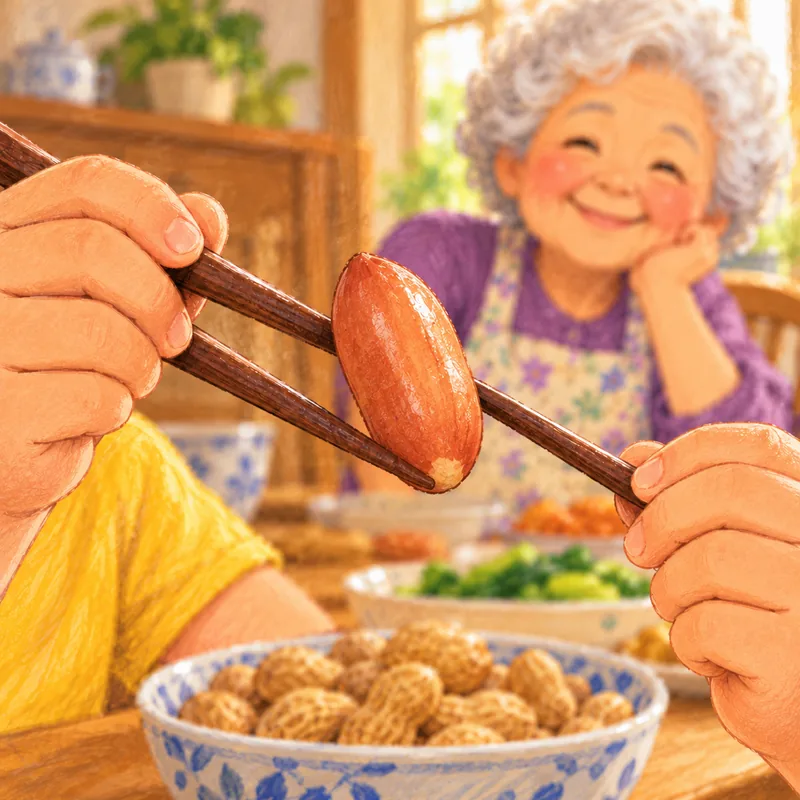
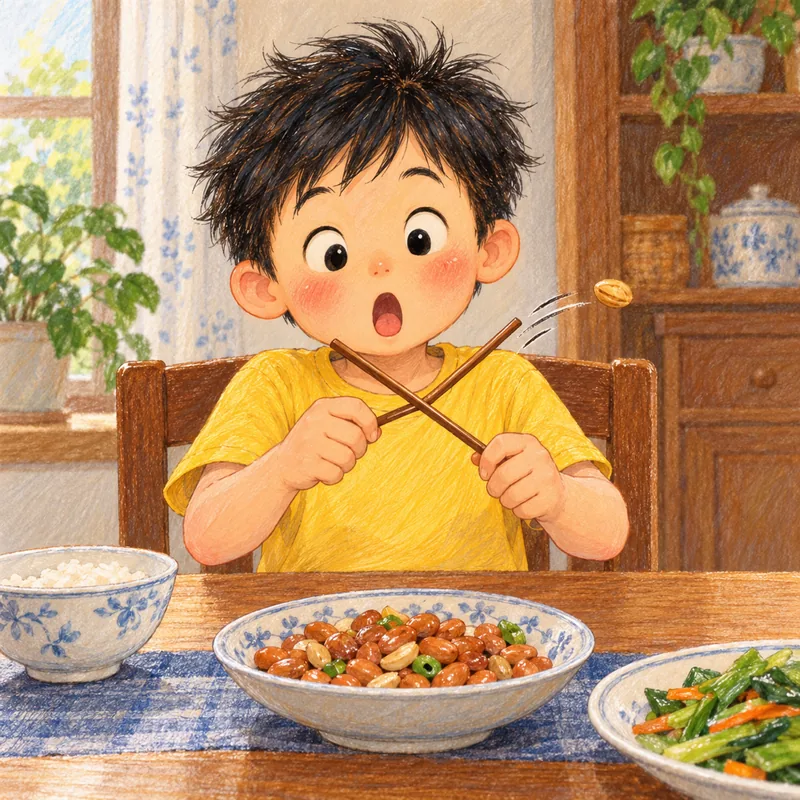
Lèle tries to pick up a peanut with chopsticks for the first time. Plop! The peanut falls.
Lèle intenta tomar un cacahuate con palillos por primera vez. ¡Plop! El cacahuate se cae.
 3
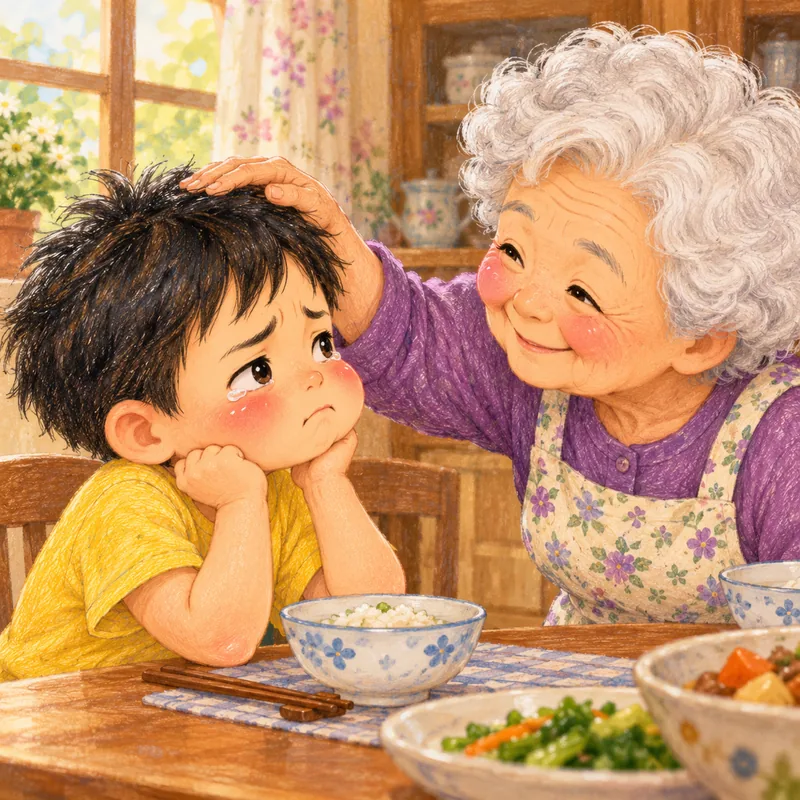
Lèle: Grandma, it's too hard! I don't want to learn. Grandma: Don't worry — just practice a little every day.
Lèle: ¡Abuela, es muy difícil! No quiero aprender. Abuela: No te preocupes, practica un poquito cada día.
 4
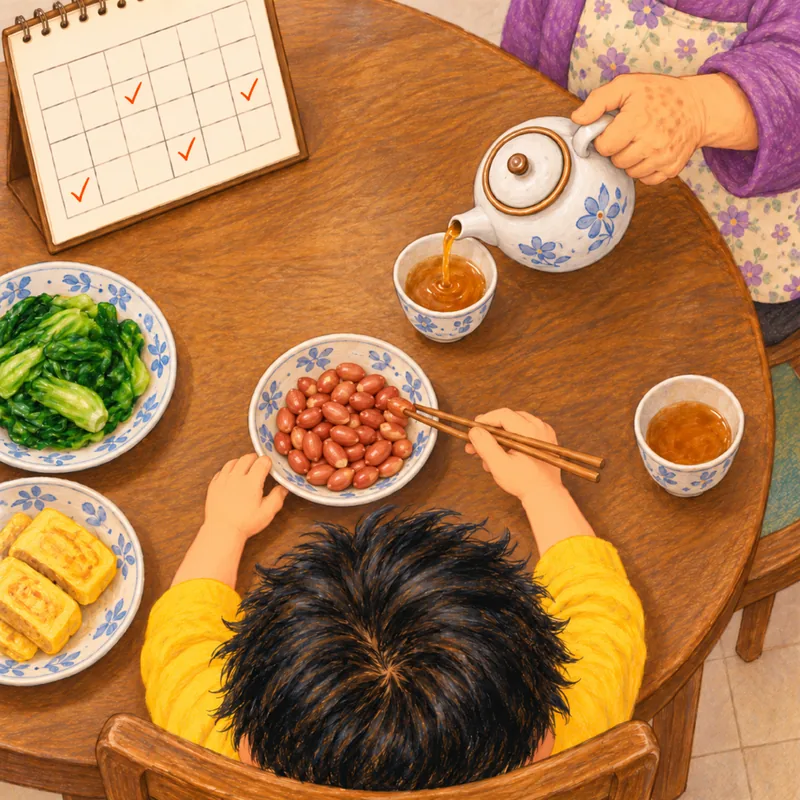
On the first day, Lèle picks up one. On the third day, Lèle picks up five.
El primer día, Lèle toma uno. El tercer día, Lèle toma cinco.
 5
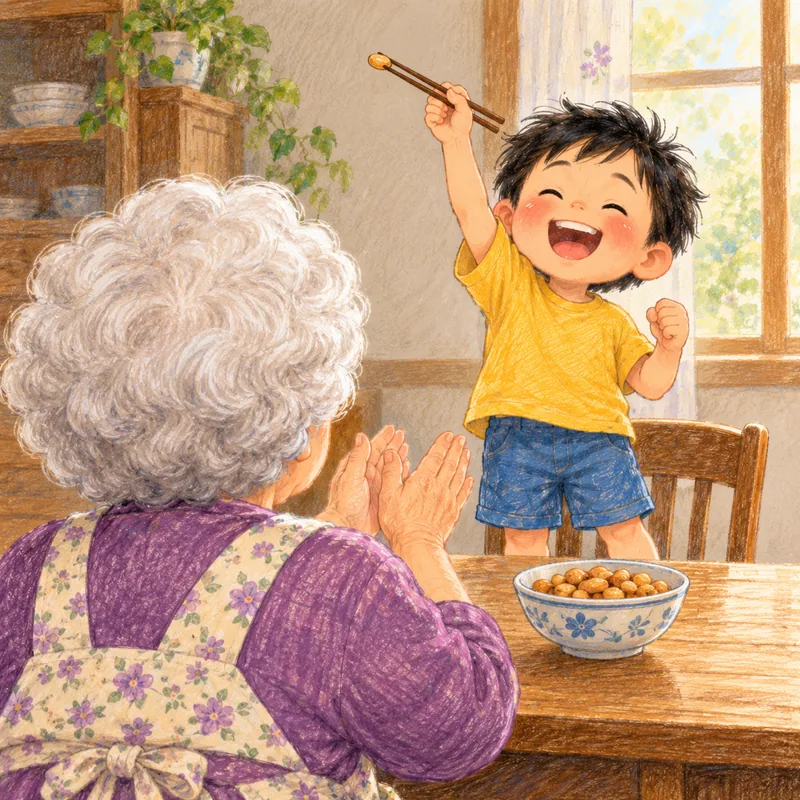
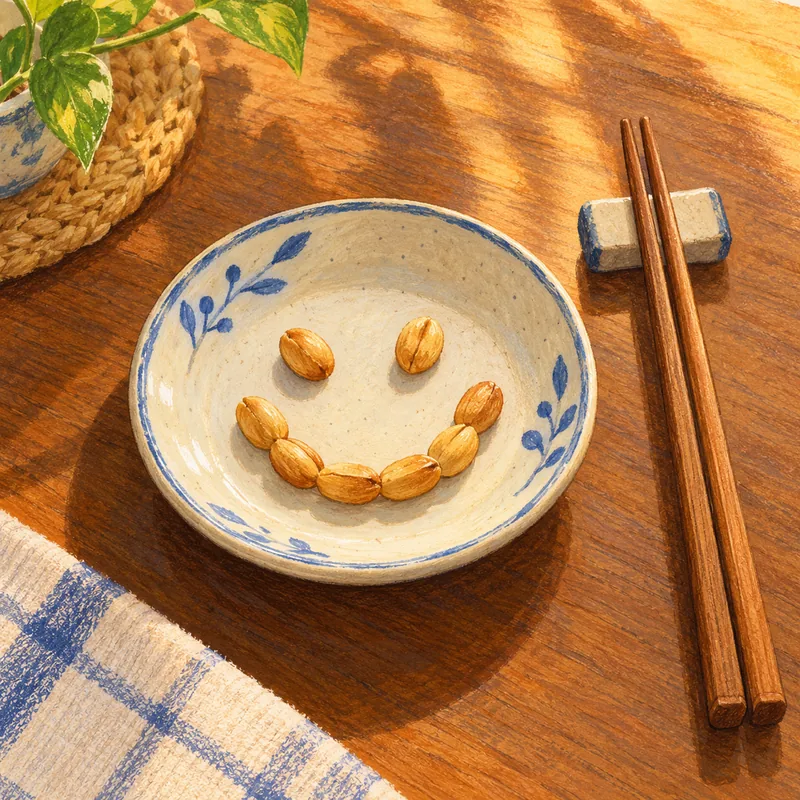
On the seventh day, Lèle picks up ten peanuts in a row! Grandma: You see? That's "shú néng shēng qiǎo"!
¡El séptimo día, Lèle toma diez cacahuates seguidos! Abuela: ¿Ves? ¡Eso es "shú néng shēng qiǎo"!
 6
All three languages have a saying that means much the same: Practice makes perfect.
Los tres idiomas tienen un dicho que significa casi lo mismo: La práctica hace al maestro.
 7
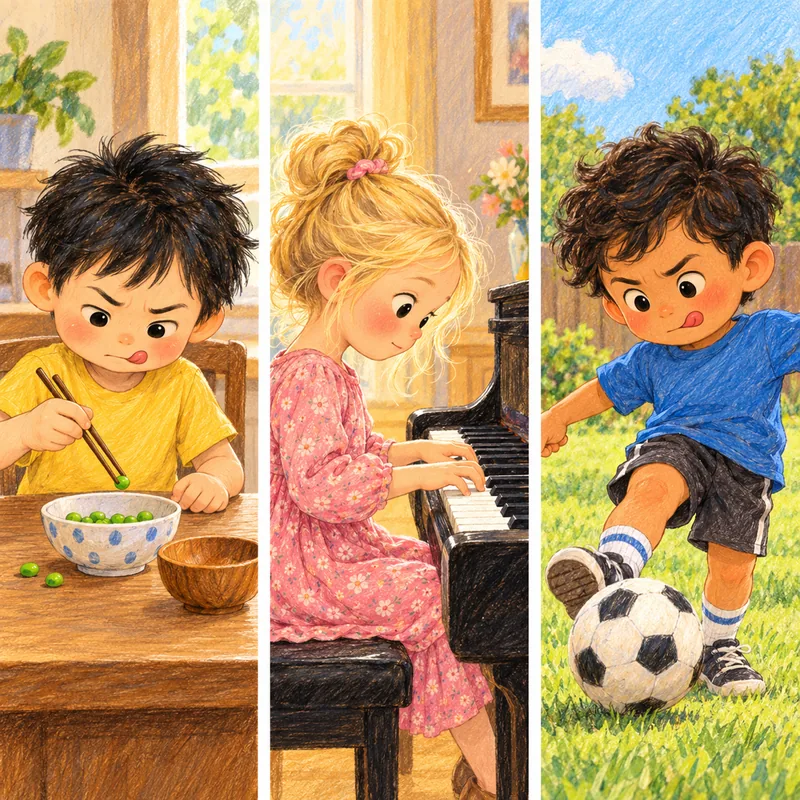
Chinese says: once you know it well, you'll do it skillfully. English says: practice makes you perfect. Spanish says: practice makes you a master.
El chino dice: cuando lo conoces bien, lo haces con habilidad. El inglés dice: la práctica te hace perfecto. El español dice: la práctica te hace maestro.
 8
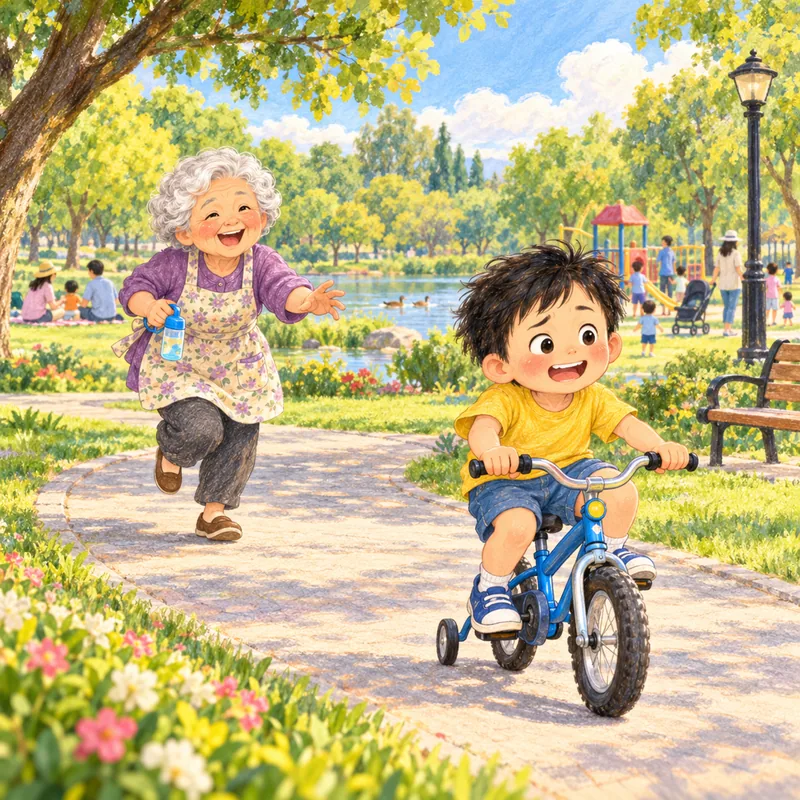
Learning to ride a bike, to play the piano, to speak Chinese — it's all practice makes perfect. What have you been practicing lately?
Aprender a andar en bici, a tocar el piano, a hablar chino: todo es «la práctica hace al maestro». ¿Qué has estado practicando últimamente?
Draw your favorite part here.
Dibuja aquí lo que más te gustó.

Listen to the story free
Escucha el cuento gratis
chinesepicturebooks.com