熟能生巧
Practice Makes Perfect
La práctica hace al maestro
📚 一句话,三种语言 · One saying, 3 languages · Un dicho, tres idiomas · 6 本 · 6 books →
看朗读视频:点下面的按钮 · Watch the read-along: tap a button · Ver el video: toca un botón
锁屏也能听 · Works with the screen locked · Funciona con la pantalla bloqueada

shú néng shēng qiǎo
熟能生巧
Practice Makes Perfect
一次看完 · The whole book · Todo el cuento
熟能生巧
Practice Makes Perfect
La práctica hace al maestro

乐乐第一次用筷子夹花生米。
Lèle tries to pick up a peanut with chopsticks for the first time.
Lèle intenta tomar un cacahuate con palillos por primera vez.
啪!花生米掉了。
Plop! The peanut falls.
¡Plop! El cacahuate se cae.

乐乐:奶奶,太难了!我不想学了。
Lèle: Grandma, it's too hard! I don't want to learn.
Lèle: ¡Abuela, es muy difícil! No quiero aprender.
奶奶:别着急,每天练一练。
Grandma: Don't worry — just practice a little every day.
Abuela: No te preocupes, practica un poquito cada día.
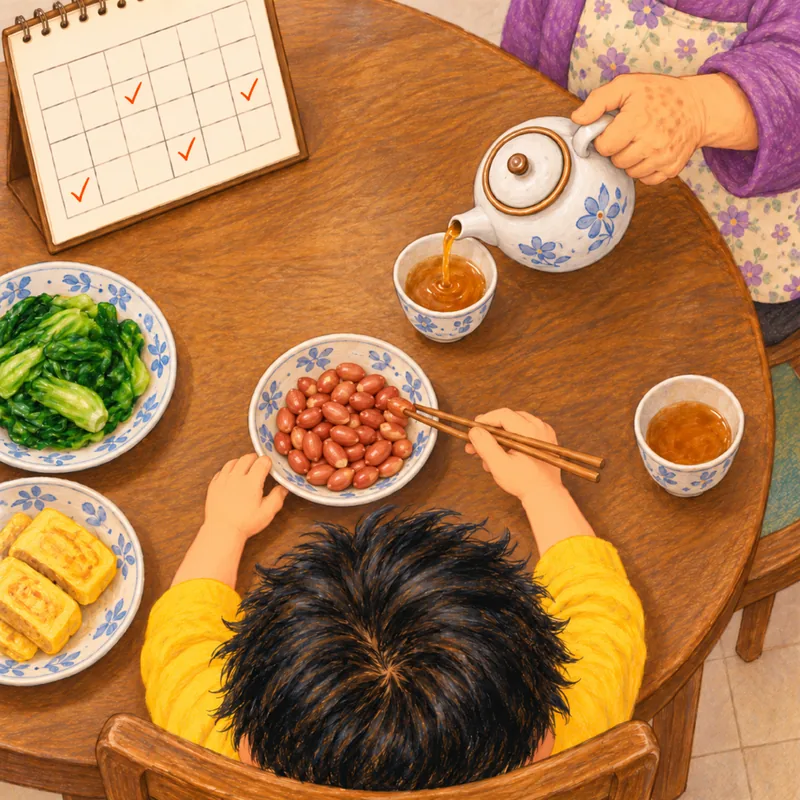
第一天,乐乐夹起了一颗。
On the first day, Lèle picks up one.
El primer día, Lèle toma uno.
第三天,乐乐夹起了五颗。
On the third day, Lèle picks up five.
El tercer día, Lèle toma cinco.

第七天,乐乐一下子夹起了十颗花生米!
On the seventh day, Lèle picks up ten peanuts in a row!
¡El séptimo día, Lèle toma diez cacahuates seguidos!
奶奶:你看,这就是「熟能生巧」!
Grandma: You see? That's "shú néng shēng qiǎo"!
Abuela: ¿Ves? ¡Eso es "shú néng shēng qiǎo"!
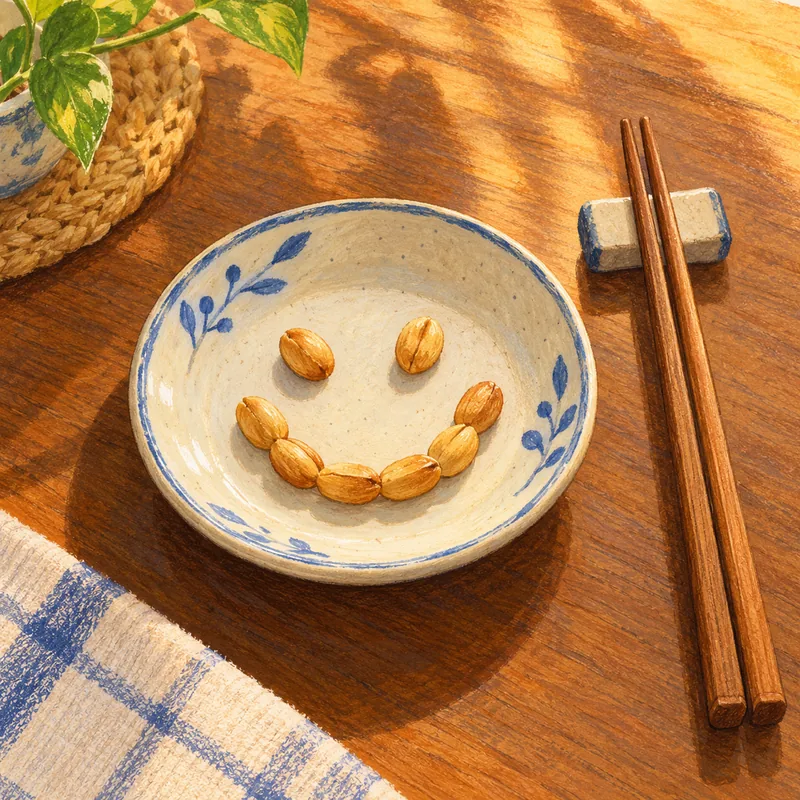
三种语言,都有意思差不多的话:
All three languages have a saying that means much the same:
Los tres idiomas tienen un dicho que significa casi lo mismo:
熟能生巧。
Practice makes perfect.
La práctica hace al maestro.

中文说:做熟了,就会做得巧。
Chinese says: once you know it well, you'll do it skillfully.
El chino dice: cuando lo conoces bien, lo haces con habilidad.
英文说:练习让你变得完美。
English says: practice makes you perfect.
El inglés dice: la práctica te hace perfecto.
西班牙文说:练习让你变成大师。
Spanish says: practice makes you a master.
El español dice: la práctica te hace maestro.

学骑自行车、学弹钢琴、学中文,都是熟能生巧。
Learning to ride a bike, to play the piano, to speak Chinese — it's all practice makes perfect.
Aprender a andar en bici, a tocar el piano, a hablar chino: todo es «la práctica hace al maestro».
你最近在练习什么?
What have you been practicing lately?
¿Qué has estado practicando últimamente?
生词 · Words in this book · Palabras
65 个词 ,其中 21 个是全站第一次出现 · 65 words, 21 appearing for the first time anywhere on the site
- 熟能生巧shú néng shēng qiǎo
- 乐乐Lèle
- 第一次dì-yī cì
- 用yòng
- 筷子kuàizi
- 夹jiā
- 花生米huāshēngmǐ
- 啪pā
- 掉diào
- 了le
- 奶奶nǎinai
- 太tài
- 难nán
- 我wǒ
- 不bù
- 想xiǎng
- 学xué
- 别bié
- 着急zháojí
- 每天měitiān
- 练一练liàn yi liàn
- 第一天dì-yī tiān
- 夹起jiāqǐ
- 一颗yì kē
- 第三天dì-sān tiān
- 五颗wǔ kē
- 第七天dì-qī tiān
- 一下子yíxiàzi
- 十颗shí kē
- 你nǐ
- 看kàn
- 这zhè
- 就是jiùshì
- 三种sān zhǒng
- 语言yǔyán
- 都dōu
- 有yǒu
- 意思yìsi
- 差不多chàbuduō
- 的de
- 话huà
- 中文Zhōngwén
- 说shuō
- 做zuò
- 熟shú
- 就jiù
- 会huì
- 得de
- 巧qiǎo
- 英文Yīngwén
- 练习liànxí
- 让ràng
- 变biàn
- 完美wánměi
- 西班牙文Xībānyáwén
- 变成biànchéng
- 大师dàshī
- 骑qí
- 自行车zìxíngchē
- 弹tán
- 钢琴gāngqín
- 是shì
- 最近zuìjìn
- 在zài
- 什么shénme