Seeing a Chinese Medicine Doctor · El médico de medicina china
 1
Why Not See a Chinese Medicine Doctor?
¿Por qué no vas al médico de medicina china?
 2
Wáng Lì: Is your throat better? My mom says Chinese medicine can help bring your body back into balance. Me: Chinese medicine? I've never seen a Chinese medicine doctor.
Wáng Lì: ¿Ya está mejor tu garganta? Mi mamá dice que la medicina china te puede ayudar a equilibrar el cuerpo. Yo: ¿Medicina china? Nunca he ido a un médico de medicina china.
 3
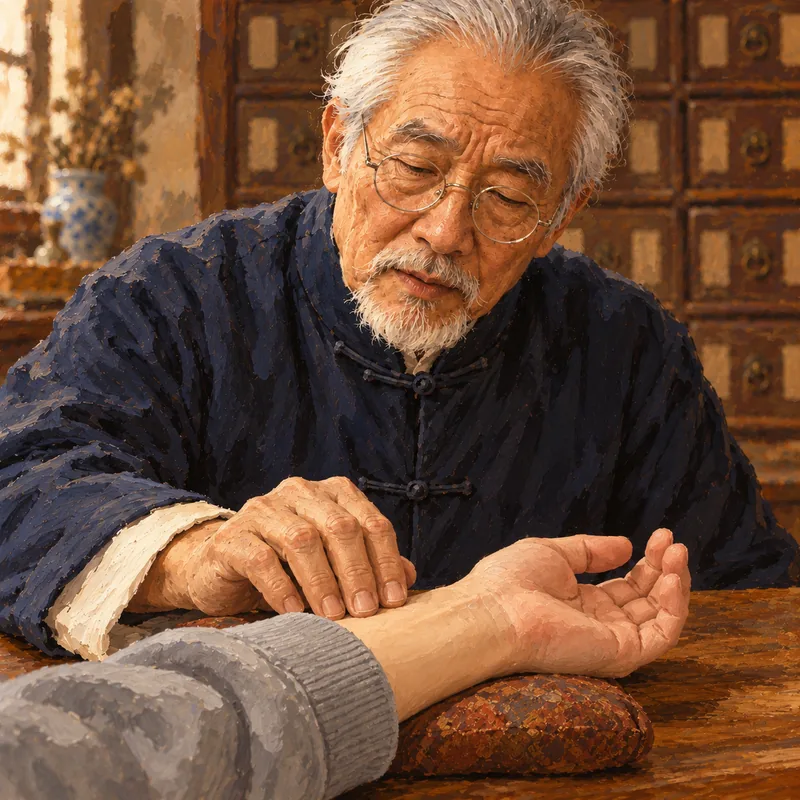
TCM doctor: Have a seat, and rest your hand here. Me: OK. What are you doing? TCM doctor: I'm going to take your pulse.
Médico de medicina china: Siéntese y ponga la mano aquí. Yo: Bien. ¿Qué está haciendo? Médico de medicina china: Le voy a tomar el pulso.
 4
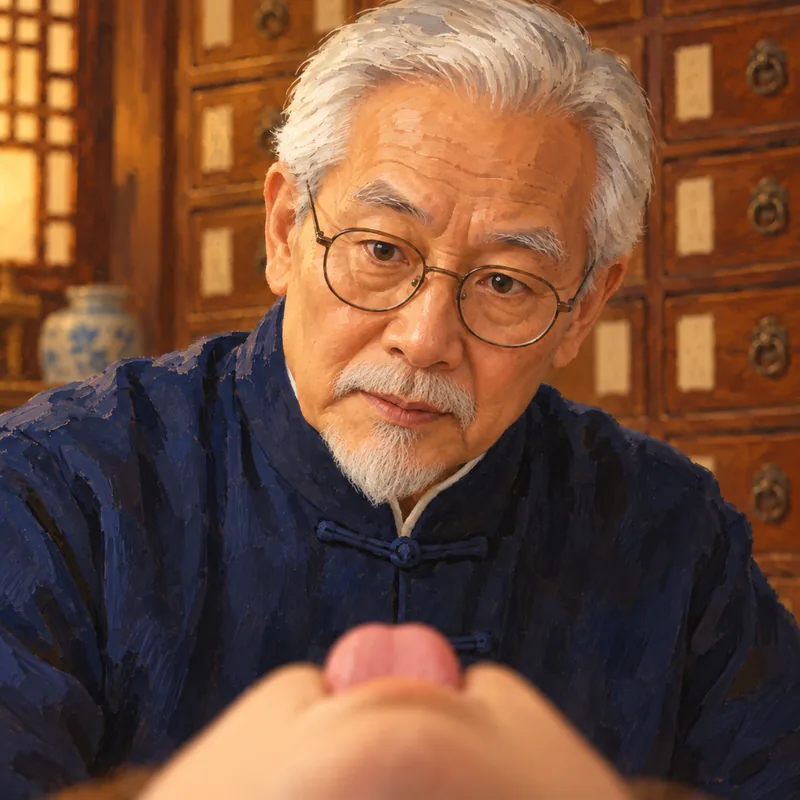
TCM doctor: Stick out your tongue — let me take a look. TCM doctor: Your tongue is a little red — you've got too much "internal heat" lately.
Médico de medicina china: Saque la lengua, déjeme ver. Médico de medicina china: Tiene la lengua un poco roja; últimamente tiene «calor interno».
 5
Me: What does "shànghuǒ" mean? Wáng Lì: It means your body is too "hot" inside. Say you eat too much spicy food — your throat starts to hurt.
Yo: ¿Qué significa "shànghuǒ"? Wáng Lì: Quiere decir que el cuerpo está muy «caliente» por dentro. Por ejemplo, si comes mucho picante, te duele la garganta.
 6
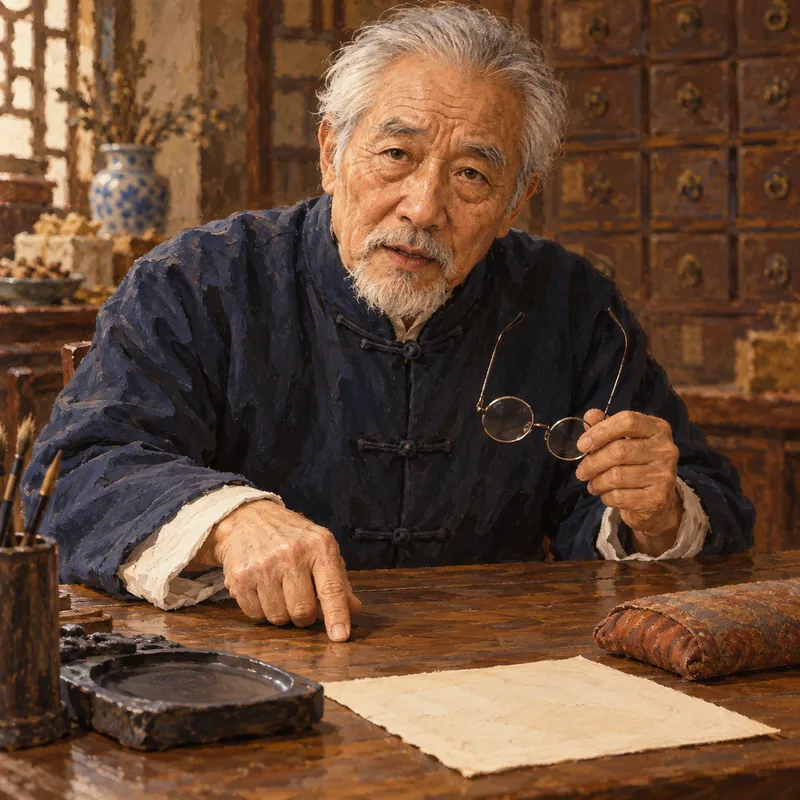
TCM doctor: Do you sleep well at night? Me: Not really — I often don't go to bed until after midnight. TCM doctor: You need to go to bed earlier, and eat less spicy food.
Médico de medicina china: ¿Duerme bien por la noche? Yo: No muy bien, muchas veces me duermo después de las doce. Médico de medicina china: Tiene que dormirse más temprano y comer menos picante.
 7
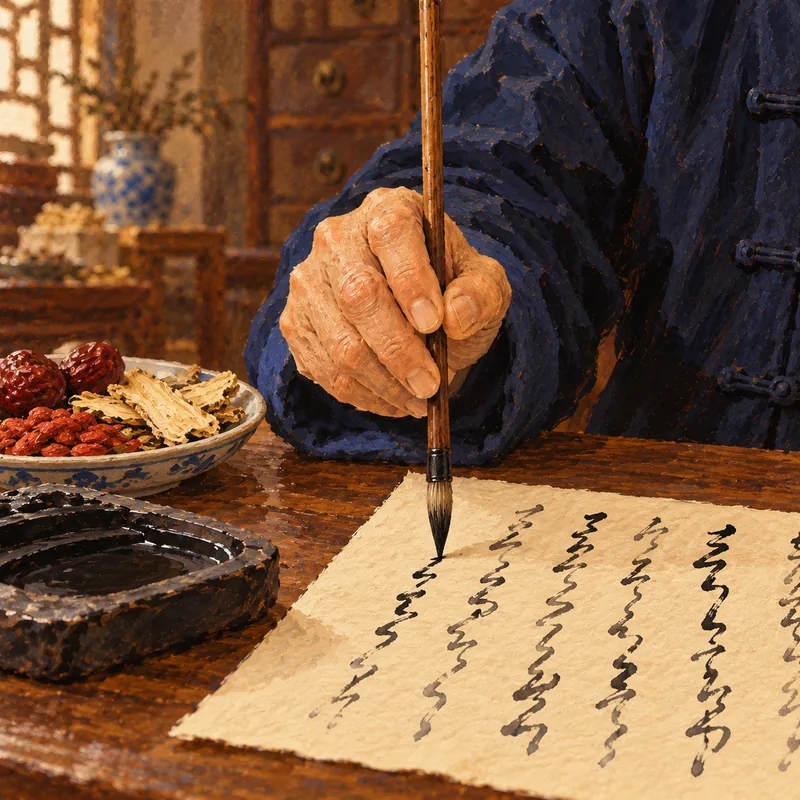
TCM doctor: I'll prescribe seven days of herbal medicine. Twice a day — once in the morning, once in the evening. Me: Twice a day — once in the morning, once in the evening. OK, thank you, doctor!
Médico de medicina china: Le receto siete días de medicina china. Dos veces al día: una en la mañana y otra en la noche. Yo: Dos veces al día, una en la mañana y otra en la noche. ¡Bien, gracias, doctor!
 8
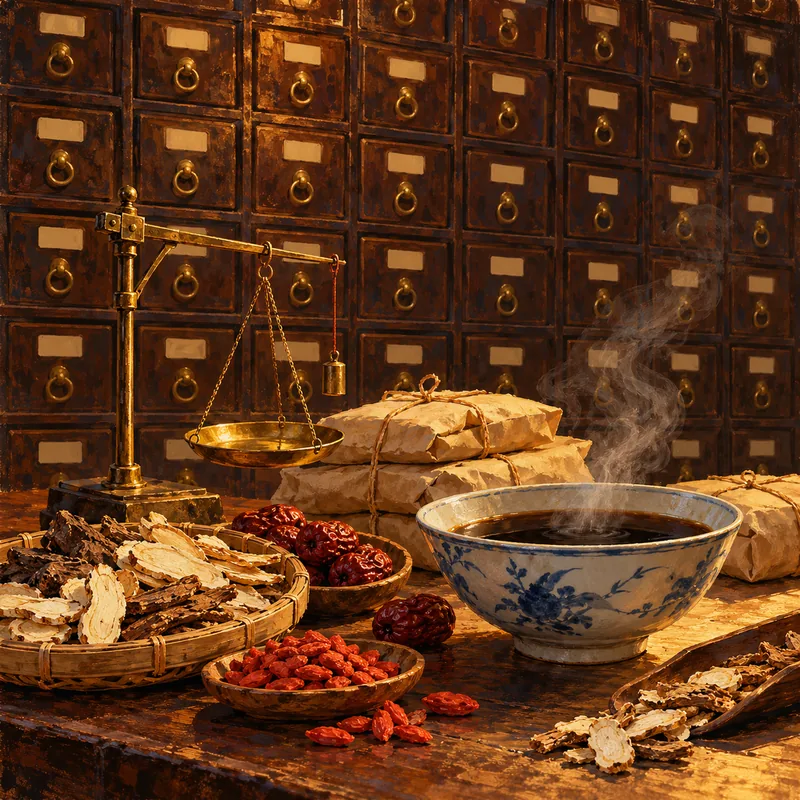
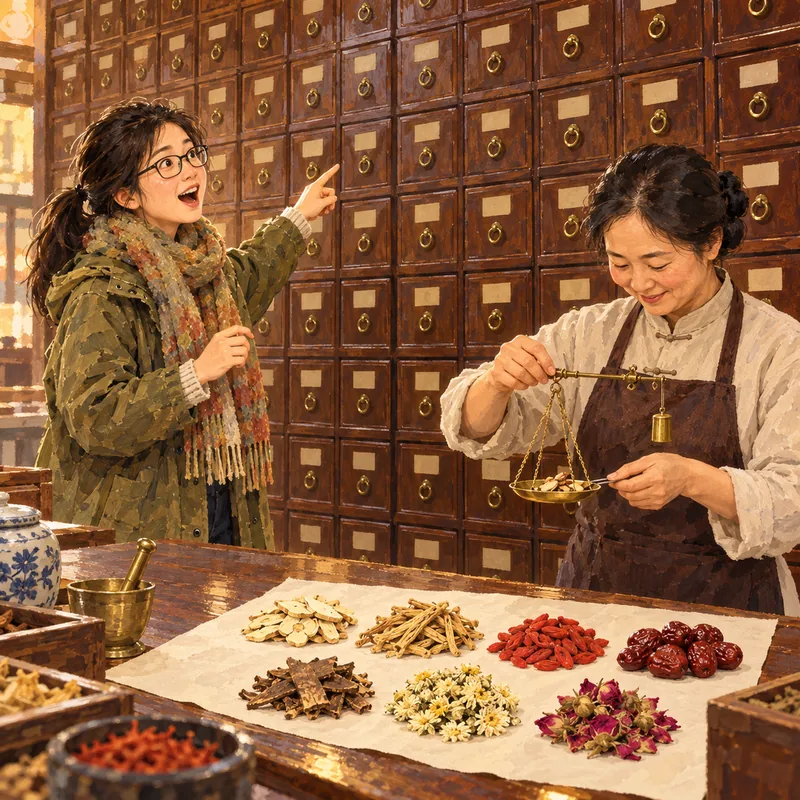
Wáng Lì: Look — the herbalist is weighing out your medicine. Me: Wow, so many little drawers!
Wáng Lì: Mira, el maestro está pesando tus hierbas. Yo: ¡Vaya, cuántos cajoncitos!
 9
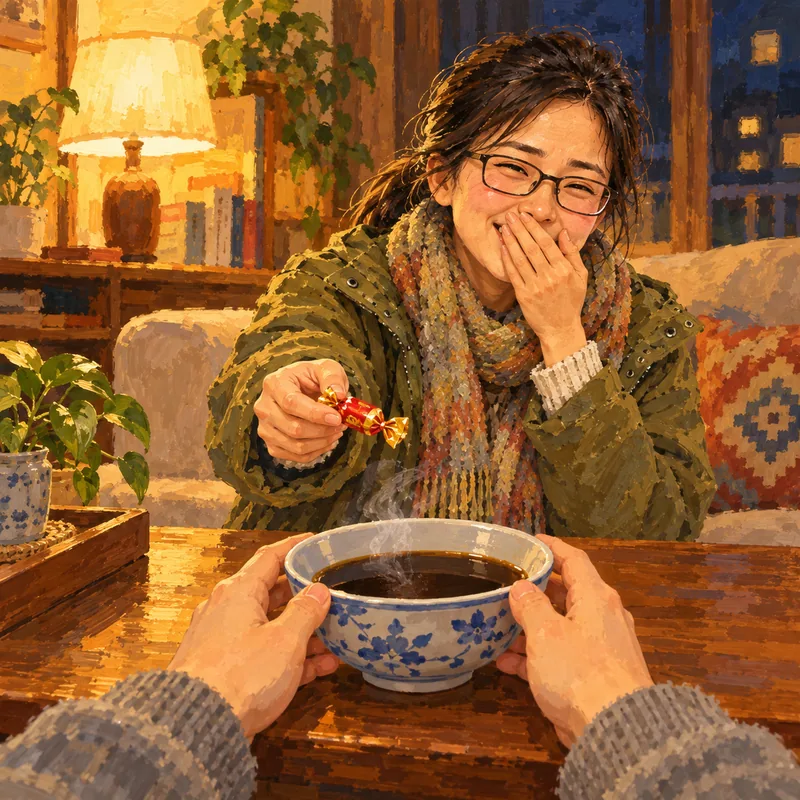
Me: Ugh, it's so bitter! Wáng Lì: Ha ha — good medicine tastes bitter! Have a candy.
Yo: ¡Uf, qué amargo! Wáng Lì: ¡Ja, ja! ¡La buena medicina es amarga! Cómete un dulce.
 10
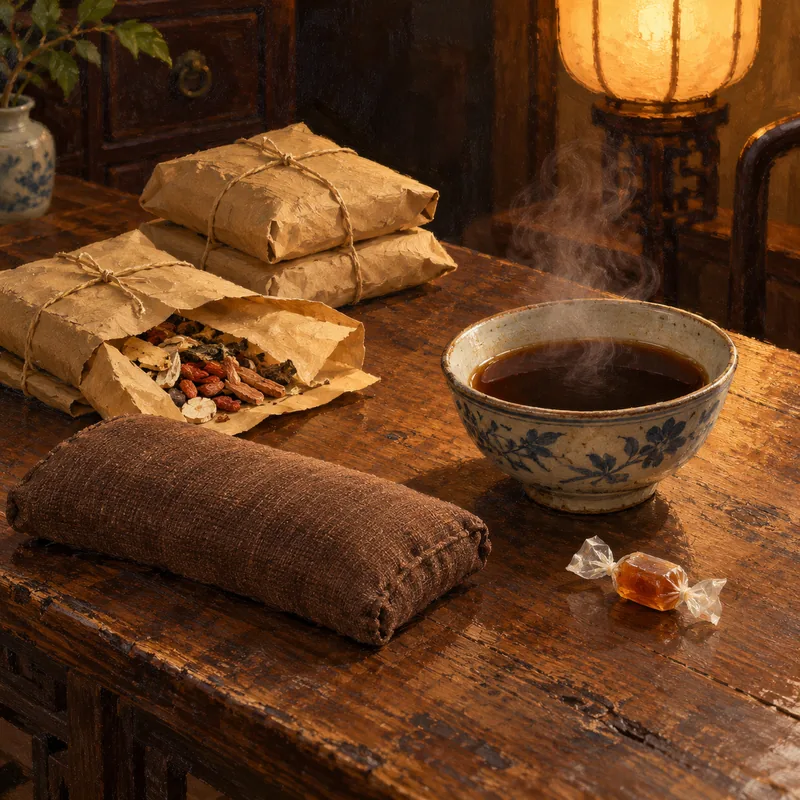
Good to know: a Chinese medicine doctor usually takes your pulse and looks at your tongue. "Liángyào kǔkǒu": good medicine is often bitter. Chinese people also use it to say good advice is often hard to hear.
Dato útil: el médico de medicina china suele tomarte el pulso y mirarte la lengua. "Liángyào kǔkǒu": la buena medicina suele ser amarga. También se usa para decir que un buen consejo a veces no es agradable de oír.
Draw your favorite part here.
Dibuja aquí lo que más te gustó.

Listen to the story free
Escucha el cuento gratis
chinesepicturebooks.com