看中医
Seeing a Chinese Medicine Doctor
El médico de medicina china
📚 看病 · Seeing a doctor · Ir al médico · 5 本 · 5 books →
看病·健康 · Health · Salud中国文化 · Chinese Culture · Cultura china
锁屏也能听 · Works with the screen locked · Funciona con la pantalla bloqueada
qù kànkan zhōngyī ba
去看看中医吧
Why Not See a Chinese Medicine Doctor?
一次看完 · The whole book · Todo el cuento
去看看中医吧
Why Not See a Chinese Medicine Doctor?
¿Por qué no vas al médico de medicina china?
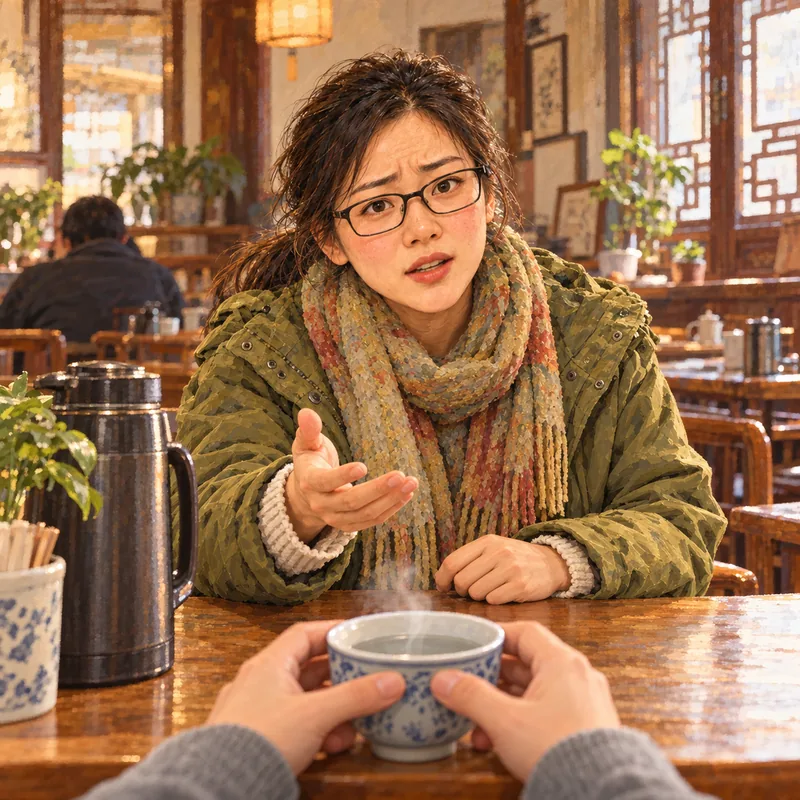
王丽:嗓子好了吗?我妈妈说,中医可以帮你调理身体。
Wáng Lì: Is your throat better? My mom says Chinese medicine can help bring your body back into balance.
Wáng Lì: ¿Ya está mejor tu garganta? Mi mamá dice que la medicina china te puede ayudar a equilibrar el cuerpo.
我:中医?我还没看过中医呢。
Me: Chinese medicine? I've never seen a Chinese medicine doctor.
Yo: ¿Medicina china? Nunca he ido a un médico de medicina china.
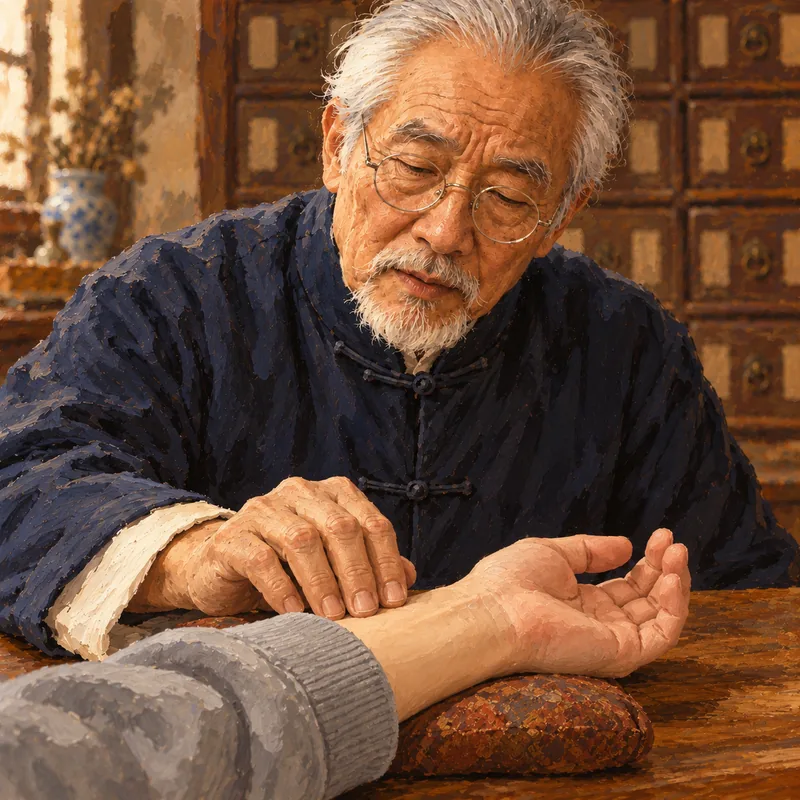
中医师:请坐,把手放在这儿。
TCM doctor: Have a seat, and rest your hand here.
Médico de medicina china: Siéntese y ponga la mano aquí.
我:好的。这是在做什么?
Me: OK. What are you doing?
Yo: Bien. ¿Qué está haciendo?
中医师:我给你把把脉。
TCM doctor: I'm going to take your pulse.
Médico de medicina china: Le voy a tomar el pulso.
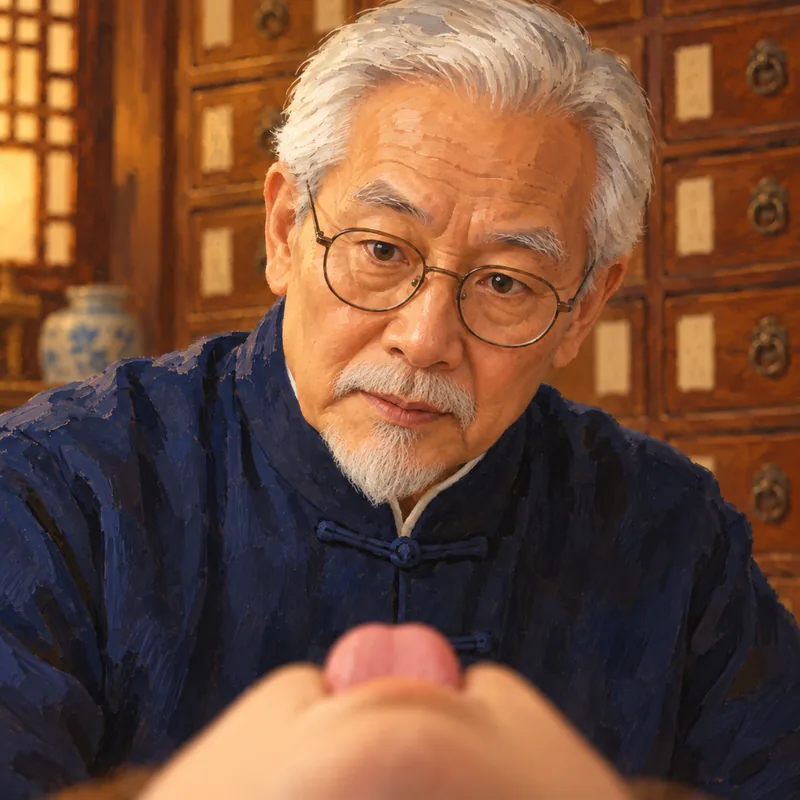
中医师:伸出舌头,我看看。
TCM doctor: Stick out your tongue — let me take a look.
Médico de medicina china: Saque la lengua, déjeme ver.
中医师:舌头有点儿红,你最近上火了。
TCM doctor: Your tongue is a little red — you've got too much "internal heat" lately.
Médico de medicina china: Tiene la lengua un poco roja; últimamente tiene «calor interno».
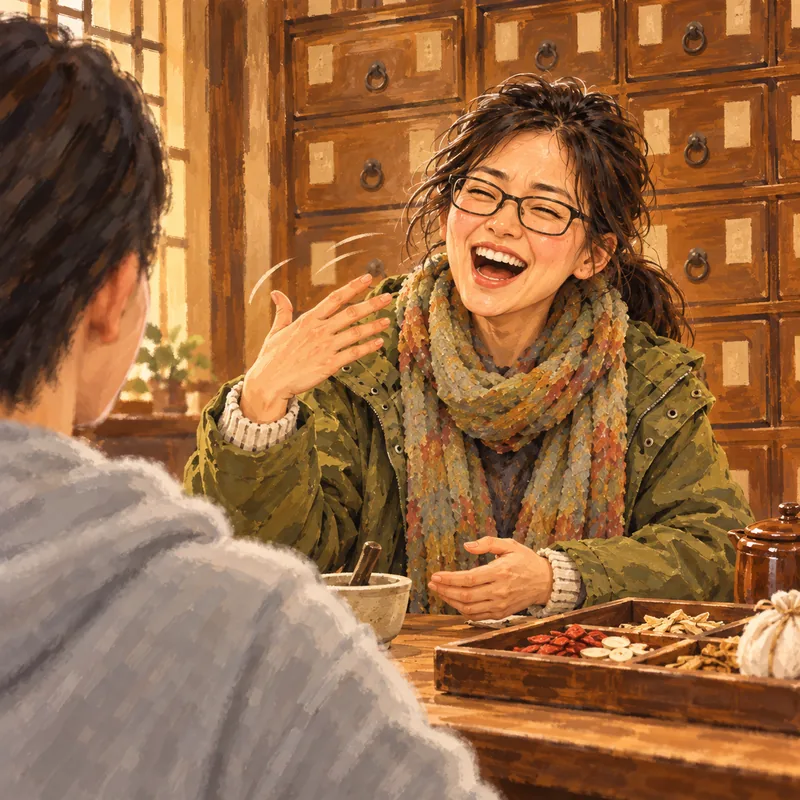
我:「上火」是什么意思?
Me: What does "shànghuǒ" mean?
Yo: ¿Qué significa "shànghuǒ"?
王丽:就是身体里太热了。比如吃了太多辣的东西,嗓子就会疼。
Wáng Lì: It means your body is too "hot" inside. Say you eat too much spicy food — your throat starts to hurt.
Wáng Lì: Quiere decir que el cuerpo está muy «caliente» por dentro. Por ejemplo, si comes mucho picante, te duele la garganta.
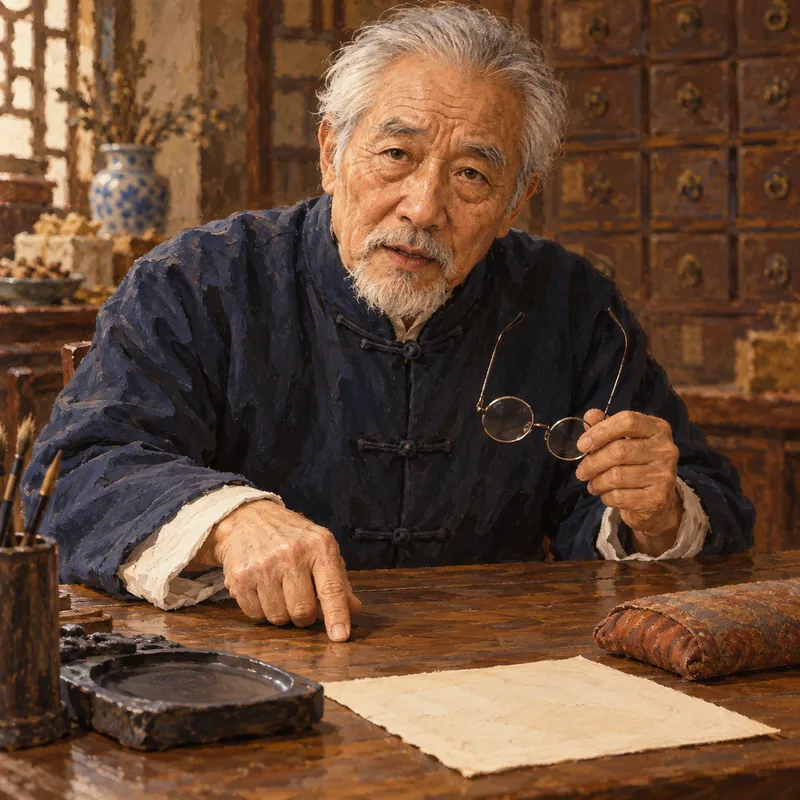
中医师:你晚上睡得好吗?
TCM doctor: Do you sleep well at night?
Médico de medicina china: ¿Duerme bien por la noche?
我:不太好,我常常十二点以后才睡。
Me: Not really — I often don't go to bed until after midnight.
Yo: No muy bien, muchas veces me duermo después de las doce.
中医师:要早点儿睡,少吃辣的。
TCM doctor: You need to go to bed earlier, and eat less spicy food.
Médico de medicina china: Tiene que dormirse más temprano y comer menos picante.
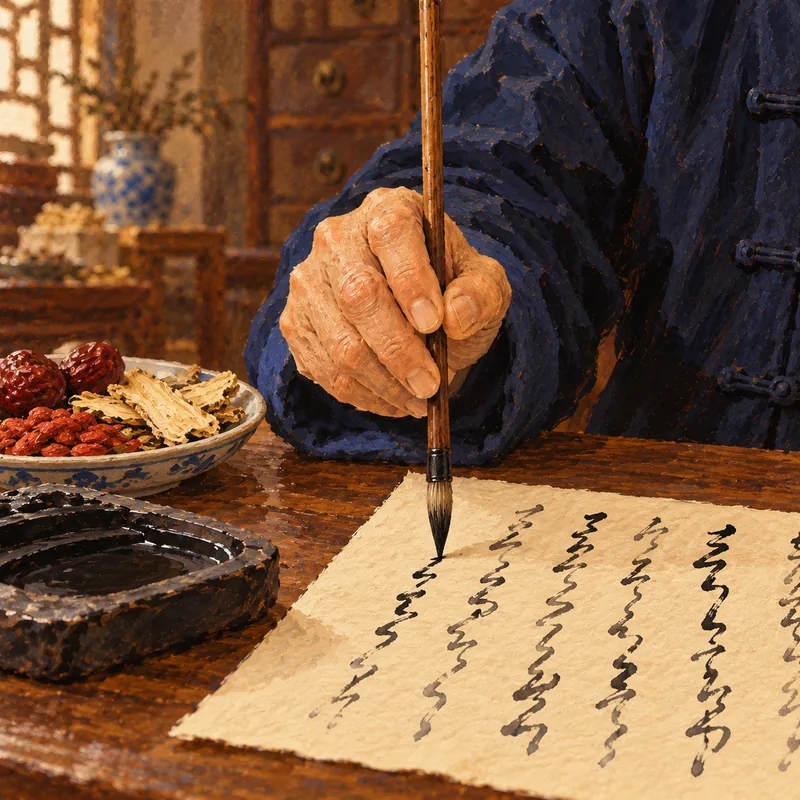
中医师:我给你开七天的中药。一天两次,早上一次,晚上一次。
TCM doctor: I'll prescribe seven days of herbal medicine. Twice a day — once in the morning, once in the evening.
Médico de medicina china: Le receto siete días de medicina china. Dos veces al día: una en la mañana y otra en la noche.
我:一天两次,早上一次,晚上一次。好的,谢谢医生!
Me: Twice a day — once in the morning, once in the evening. OK, thank you, doctor!
Yo: Dos veces al día, una en la mañana y otra en la noche. ¡Bien, gracias, doctor!
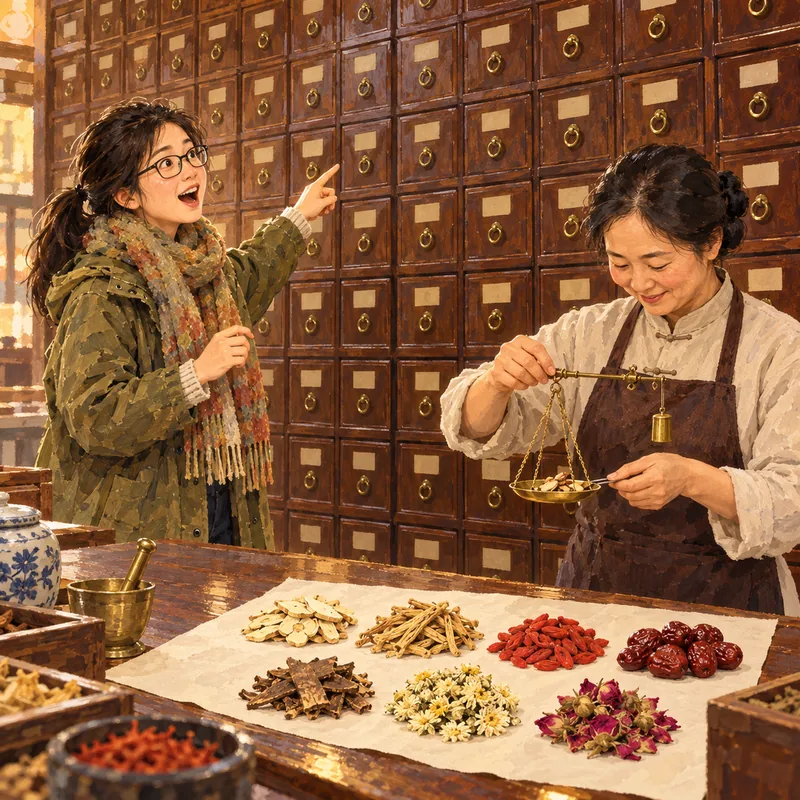
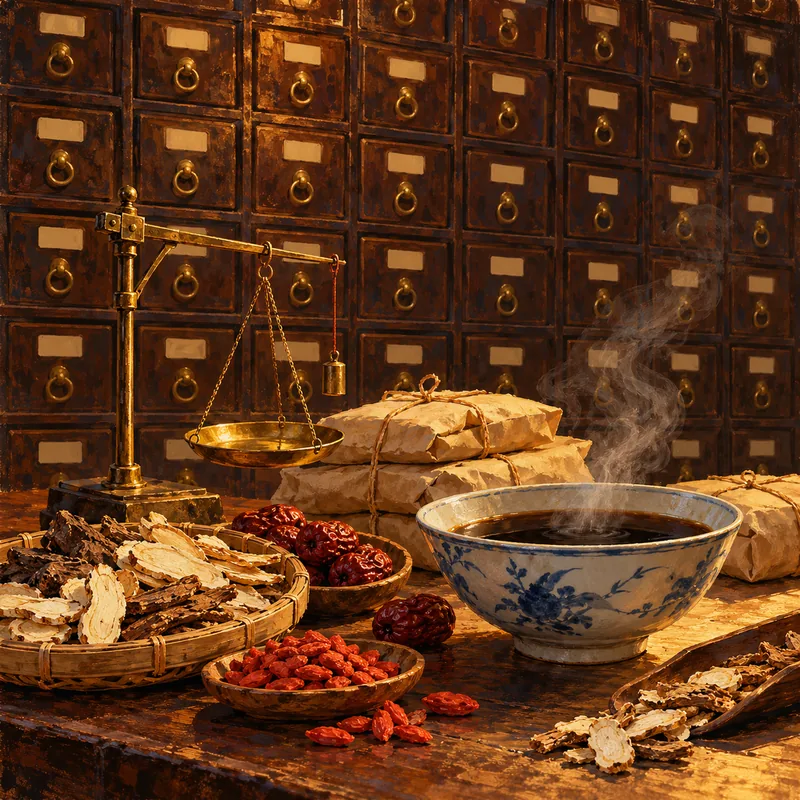
王丽:你看,抓药的师傅在称药。
Wáng Lì: Look — the herbalist is weighing out your medicine.
Wáng Lì: Mira, el maestro está pesando tus hierbas.
我:哇,好多小抽屉啊!
Me: Wow, so many little drawers!
Yo: ¡Vaya, cuántos cajoncitos!
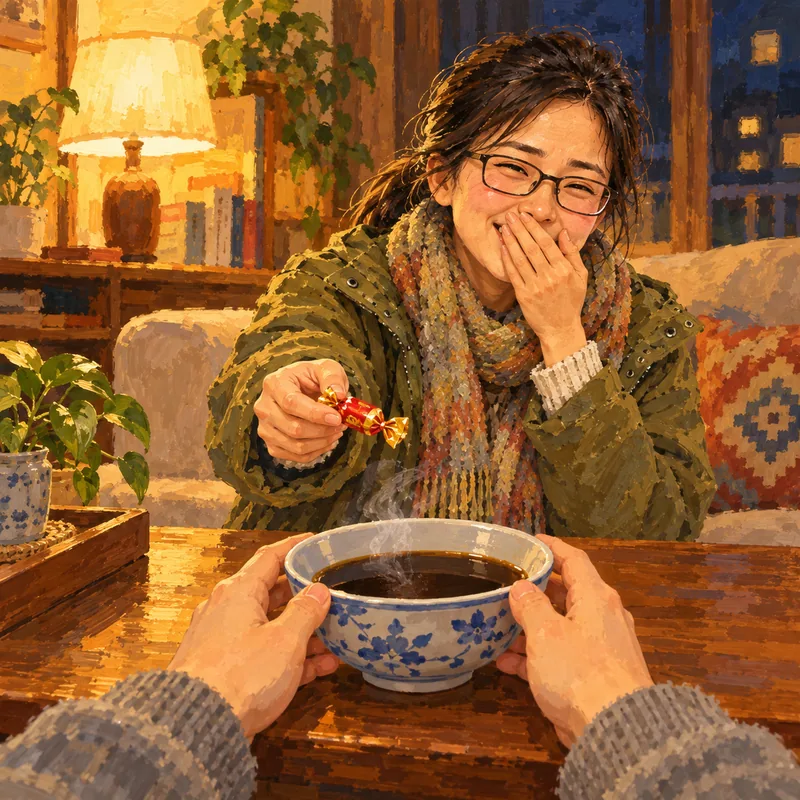
我:哇,好苦啊!
Me: Ugh, it's so bitter!
Yo: ¡Uf, qué amargo!
王丽:哈哈,良药苦口!吃颗糖吧。
Wáng Lì: Ha ha — good medicine tastes bitter! Have a candy.
Wáng Lì: ¡Ja, ja! ¡La buena medicina es amarga! Cómete un dulce.
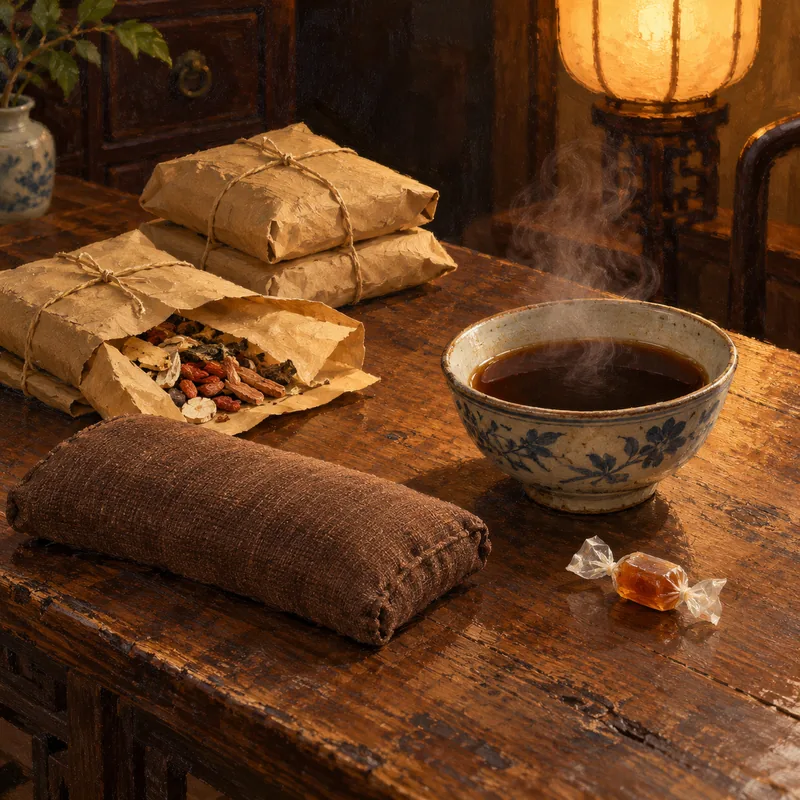
小知识:看中医的时候,中医师常常「把脉」,还要看你的舌头。
Good to know: a Chinese medicine doctor usually takes your pulse and looks at your tongue.
Dato útil: el médico de medicina china suele tomarte el pulso y mirarte la lengua.
「良药苦口」:好的药常常是苦的。中国人也用这句话说:好的意见常常不好听。
"Liángyào kǔkǒu": good medicine is often bitter. Chinese people also use it to say good advice is often hard to hear.
"Liángyào kǔkǒu": la buena medicina suele ser amarga. También se usa para decir que un buen consejo a veces no es agradable de oír.
生词 · Words in this book · Palabras
104 个词 ,其中 43 个是全站第一次出现 · 104 words, 43 appearing for the first time anywhere on the site
- 去qù
- 看看kànkan
- 中医zhōngyī
- 吧ba
- 王丽Wáng Lì
- 嗓子sǎngzi
- 好hǎo
- 了le
- 吗ma
- 我wǒ
- 妈妈māma
- 说shuō
- 可以kěyǐ
- 帮bāng
- 你nǐ
- 调理tiáolǐ
- 身体shēntǐ
- 还hái
- 没méi
- 看过kànguo
- 呢ne
- 中医师zhōngyīshī
- 请qǐng
- 坐zuò
- 把bǎ
- 手shǒu
- 放fàng
- 在zài
- 这儿zhèr
- 好的hǎo de
- 这zhè
- 是shì
- 做zuò
- 什么shénme
- 给gěi
- 把把脉bǎba mài
- 伸出shēnchū
- 舌头shétou
- 有点儿yǒudiǎnr
- 红hóng
- 最近zuìjìn
- 上火shànghuǒ
- 意思yìsi
- 就是jiùshì
- 里li
- 太tài
- 热rè
- 比如bǐrú
- 吃chī
- 太多tài duō
- 辣là
- 的de
- 东西dōngxi
- 就jiù
- 会huì
- 疼téng
- 晚上wǎnshang
- 睡shuì
- 得de
- 不太bú tài
- 常常chángcháng
- 十二点shí'èr diǎn
- 以后yǐhòu
- 才cái
- 要yào
- 早点儿zǎo diǎnr
- 少shǎo
- 开kāi
- 七天qī tiān
- 中药zhōngyào
- 一天yì tiān
- 两次liǎng cì
- 早上zǎoshang
- 一次yí cì
- 谢谢xièxie
- 医生yīshēng
- 看kàn
- 抓药zhuāyào
- 师傅shīfu
- 称chēng
- 药yào
- 哇wa
- 好多hǎo duō
- 小xiǎo
- 抽屉chōuti
- 啊a
- 苦kǔ
- 哈哈hāhā
- 良药苦口liángyào kǔkǒu
- 颗kē
- 糖táng
- 小知识xiǎozhīshi
- 时候shíhou
- 把脉bǎmài
- 还要hái yào
- 你的nǐ de
- 中国人Zhōngguórén
- 也yě
- 用yòng
- 句jù
- 话huà
- 意见yìjiàn
- 不bù
- 好听hǎotīng


