A High Fever at Night · Fiebre alta en la noche
 1
A High Fever at Night
Fiebre alta en la noche
 2
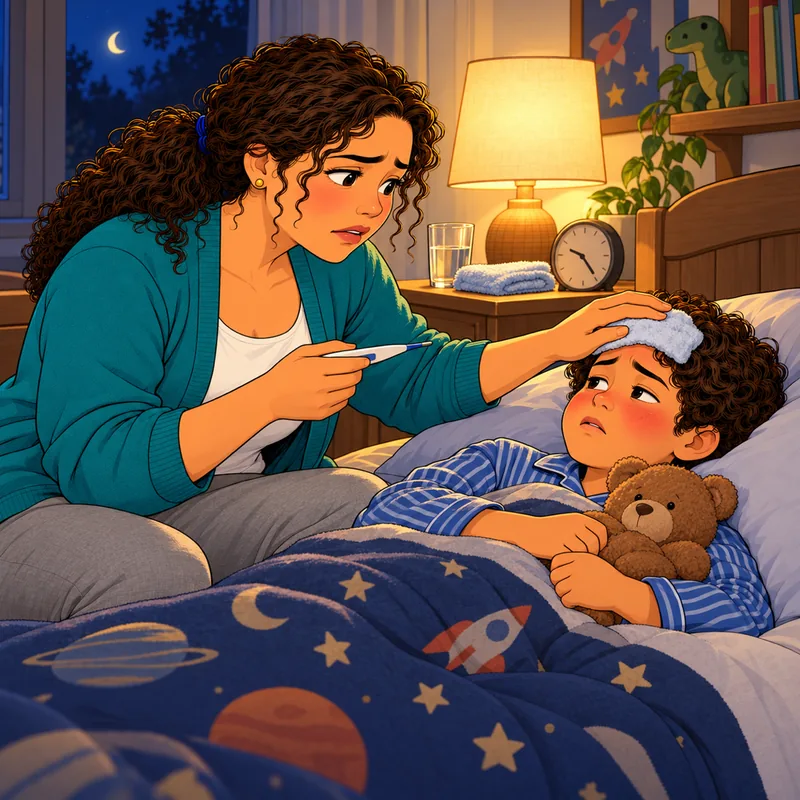
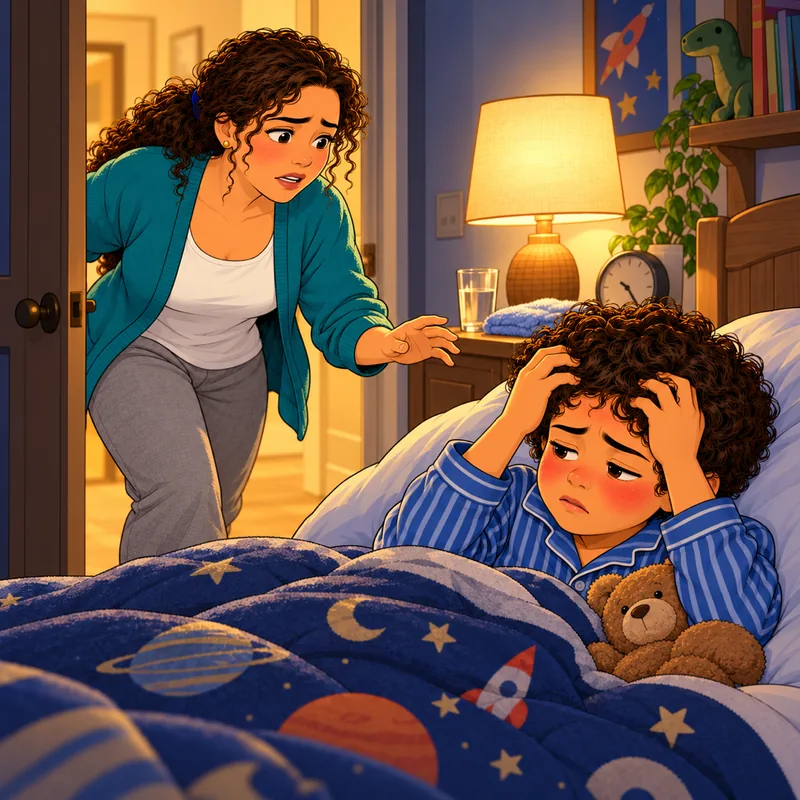
Mom, I feel so hot. My head hurts. You have a fever. Let me take your temperature.
Mamá, tengo mucho calor. Me duele la cabeza. Tienes fiebre. Te voy a tomar la temperatura.
 3
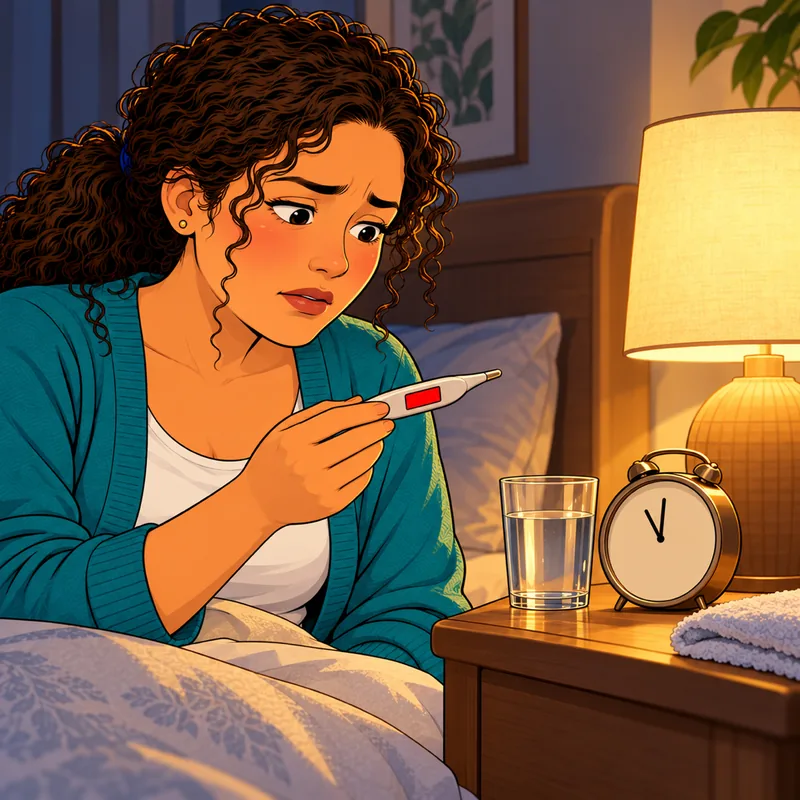
A hundred and three! It's so late, and the clinic is closed. What should I do?
¡Treinta y nueve y medio! Ya es muy tarde y la clínica está cerrada. ¿Qué hago?
 4
There's a nurse line on the back of the insurance card. You can call it any time, day or night.
Atrás de la tarjeta del seguro hay una línea de enfermeras. Se puede llamar a cualquier hora.
 5
Is he having trouble breathing? Can he drink water? Is his neck stiff? He's breathing normally, he can drink, and his neck isn't stiff. But he says his ear hurts.
¿Le cuesta respirar? ¿Puede tomar agua? ¿Tiene el cuello rígido? Respira bien, puede tomar agua y no tiene el cuello rígido. Pero dice que le duele el oído.
 6
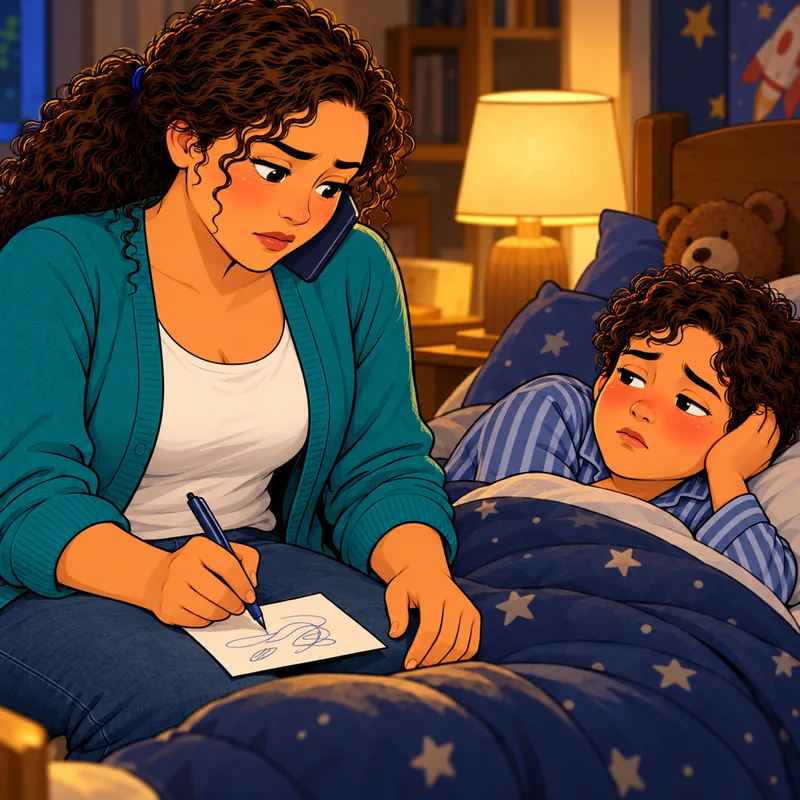
He doesn't need the emergency room. The urgent care nearby is open until midnight. You can take him there. If he has trouble breathing, or you can't wake him up, call 911 right away.
No necesita ir a la sala de emergencias. La clínica de atención urgente de cerca abre hasta la medianoche. Puede llevarlo ahí. Si le cuesta respirar o no lo puede despertar, llame al 911 enseguida.
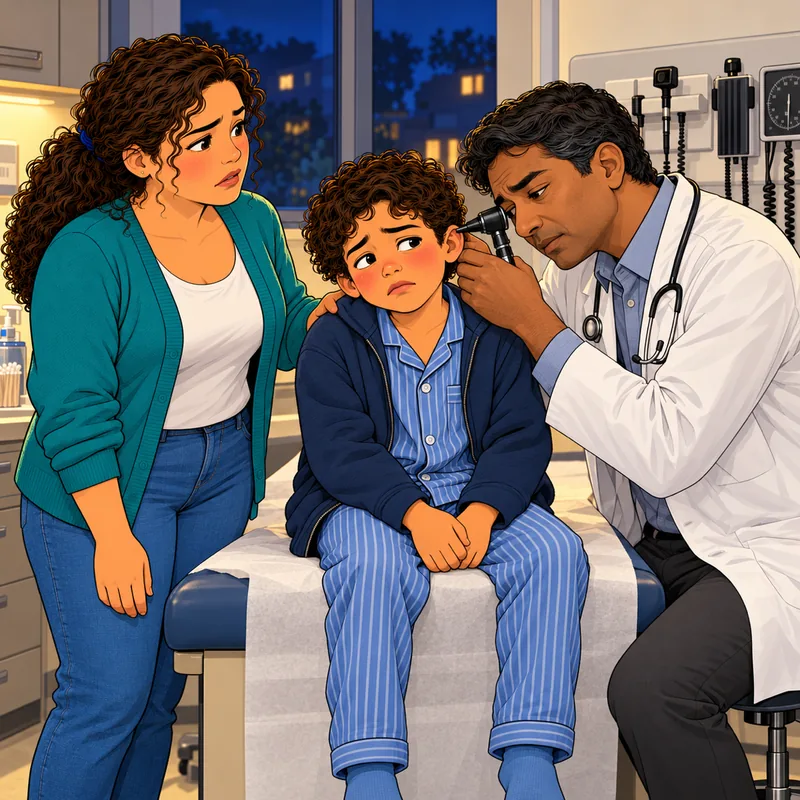 7
He has an ear infection. Is it serious? It's not serious. Ten days of antibiotics, and he'll be fine.
Tiene una infección en el oído. ¿Es grave? No es grave. Con diez días de antibiótico se va a componer.
 8
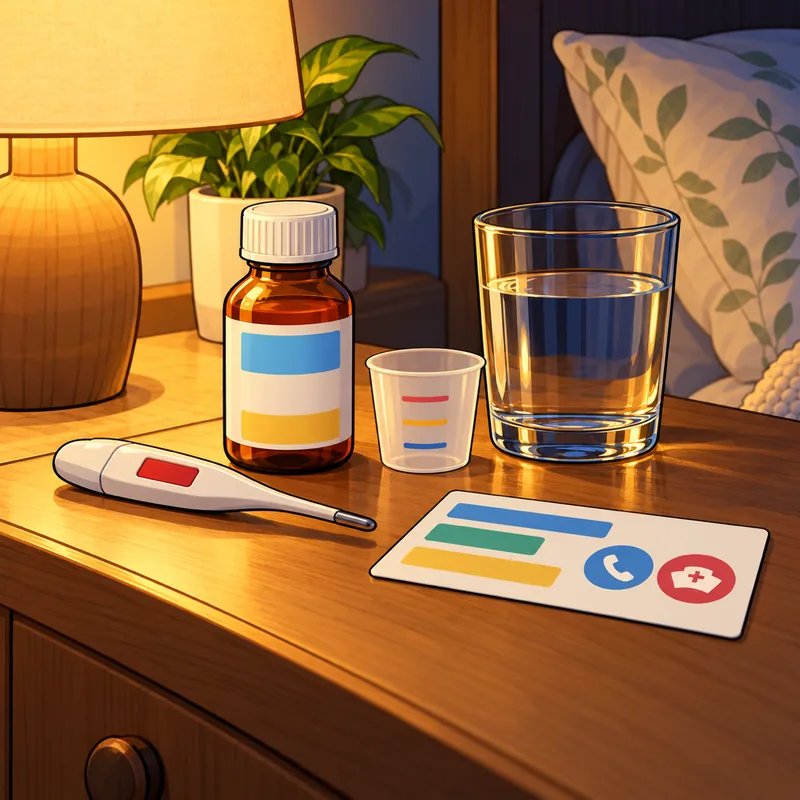
Give him fever medicine based on his weight. Don't give children aspirin. Okay, I'll remember that.
Dele la medicina para la fiebre según su peso. No les dé aspirina a los niños. Muy bien, no se me olvida.
 9
Go to sleep, sweetheart. You'll feel a little better tomorrow. Thanks, Mom.
Duérmete, mi amor. Mañana te vas a sentir mejor. Gracias, mamá.
 10
Good to know: the emergency room is for serious problems — trouble breathing, a seizure, someone you can't wake up, a stiff neck, a bad injury. For an earache, a cold, or a small cut, go to urgent care: the wait is shorter, and it costs much less. Many insurance cards have a 24-hour nurse line on the back. If you don't know where to go at night, call and ask a nurse first.
Dato útil: la sala de emergencias es para casos graves: si le cuesta respirar, tiene convulsiones, no se despierta, tiene el cuello rígido o una herida grave. Para un dolor de oído, un resfriado o una cortada pequeña, vaya a atención urgente: se espera menos y cuesta mucho menos. Muchas tarjetas del seguro tienen atrás una línea de enfermeras las 24 horas. Si en la noche no sabe a dónde ir, llame primero y pregúntele a una enfermera.
Draw your favorite part here.
Dibuja aquí lo que más te gustó.

Listen to the story free
Escucha el cuento gratis
chinesepicturebooks.com