塞翁失马,焉知祸福(二级)
The Old Man Who Lost His Horse (Level 2)
El anciano que perdió su caballo (Nivel 2)
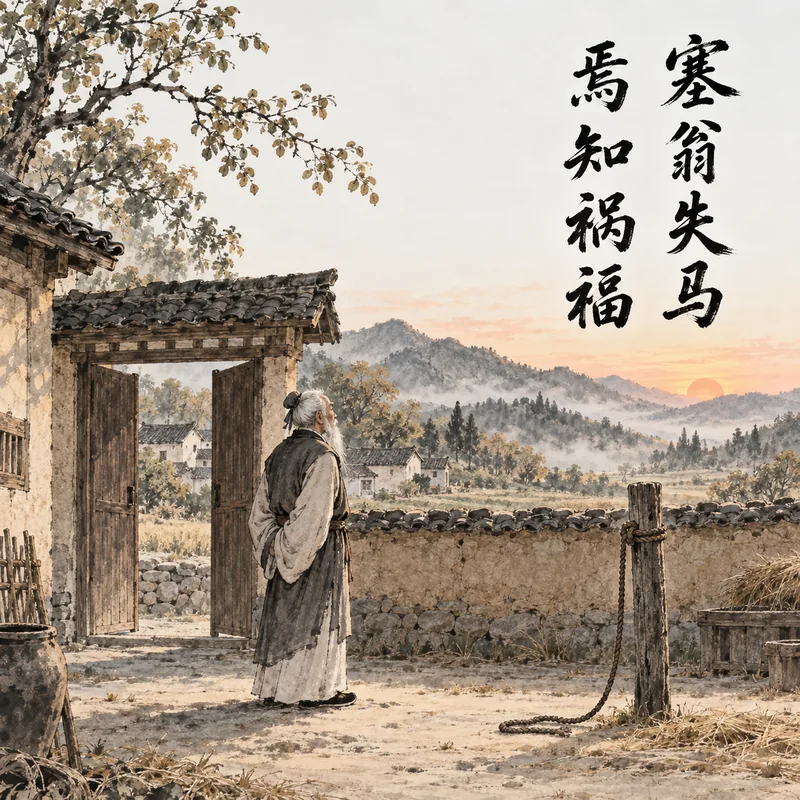
sàiwēngshīmǎ , yānzhīhuòfú
塞翁失马,焉知祸福
The old man lost his horse — who knows if it is bad luck or good?
一次看完 · The whole book at once
塞翁失马,焉知祸福
The old man lost his horse — who knows if it is bad luck or good?
El anciano perdió su caballo: ¿quién sabe si es mala suerte o buena?
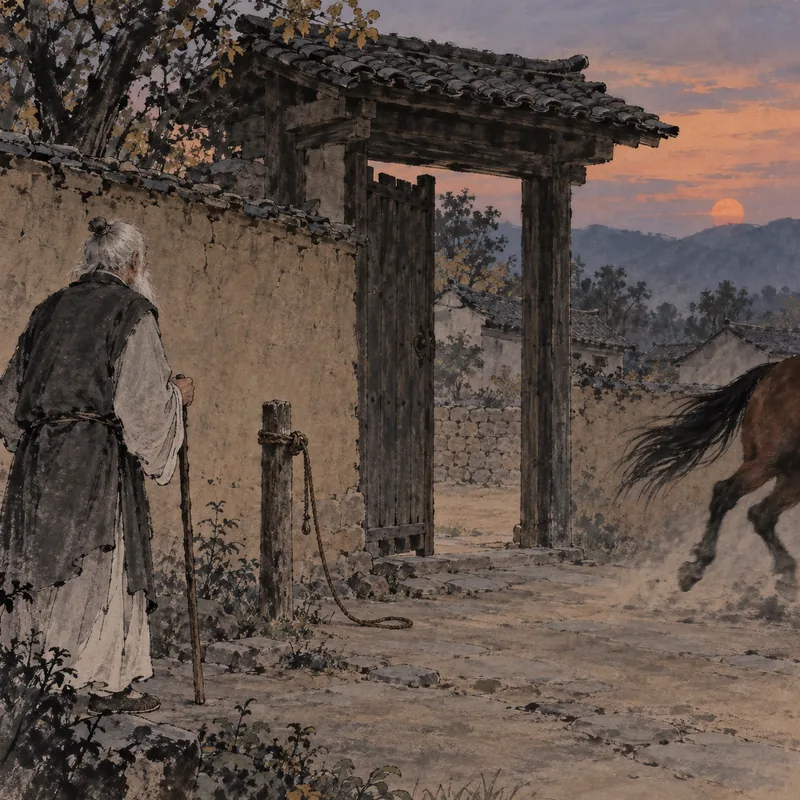
老人有一匹好马。
An old man had a fine horse.
Un anciano tenía un buen caballo.
有一天,马跑了。
One day the horse ran away.
Un día el caballo se escapó.
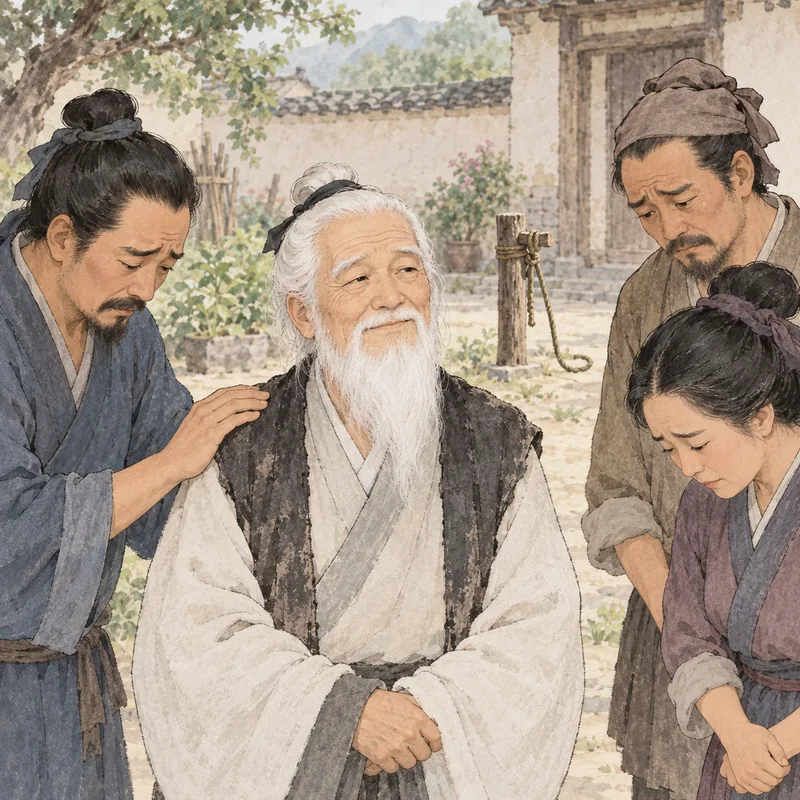
邻居都说:真可惜。
The neighbours all said: what a shame.
Los vecinos decían: qué lástima.
老人说:不一定是坏事。
The old man said: this may not be a bad thing.
El anciano dijo: puede que no sea algo malo.
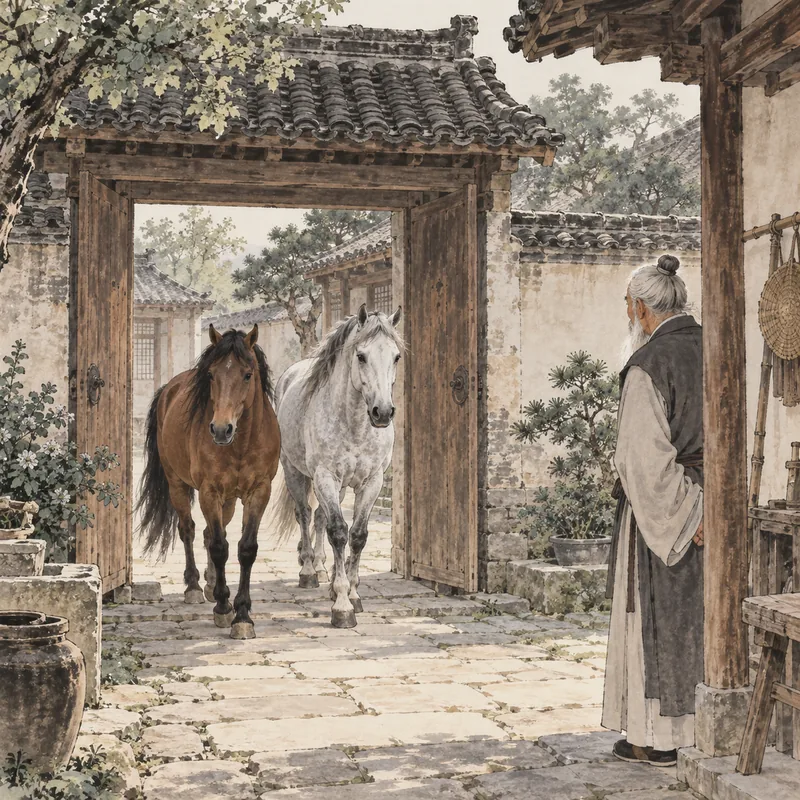
过了几个月,马自己回来了。
Months later the horse came back on its own.
Meses después el caballo volvió solo.
还带回来一匹好马。
And it brought another fine horse with it.
Y trajo consigo otro buen caballo.
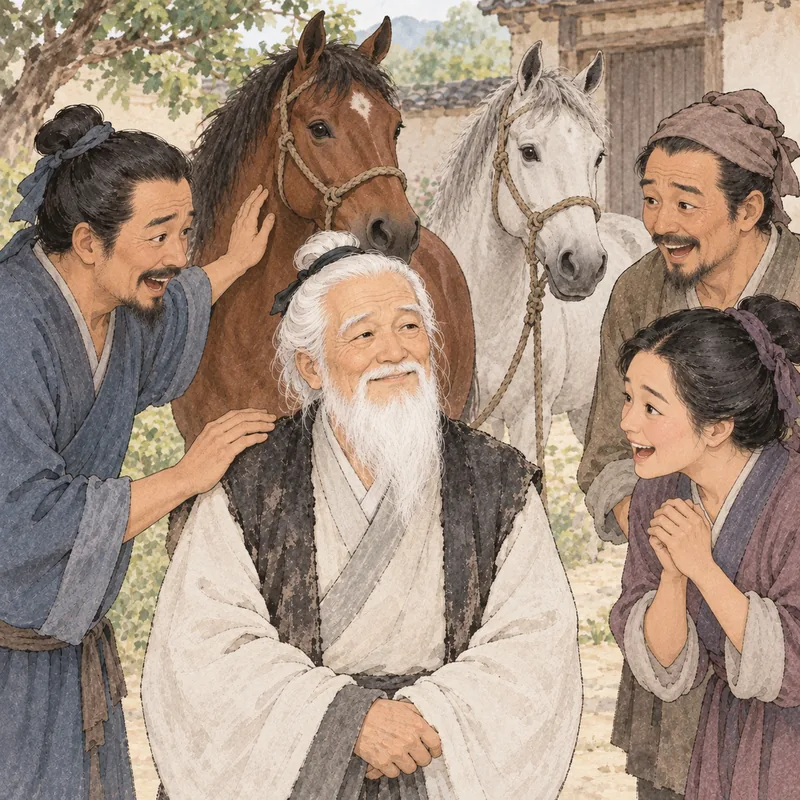
邻居都说:这下好了!
The neighbours all said: what good luck!
Los vecinos decían: ¡qué suerte!
老人说:不一定是好事。
The old man said: this may not be a good thing.
El anciano dijo: puede que no sea algo bueno.
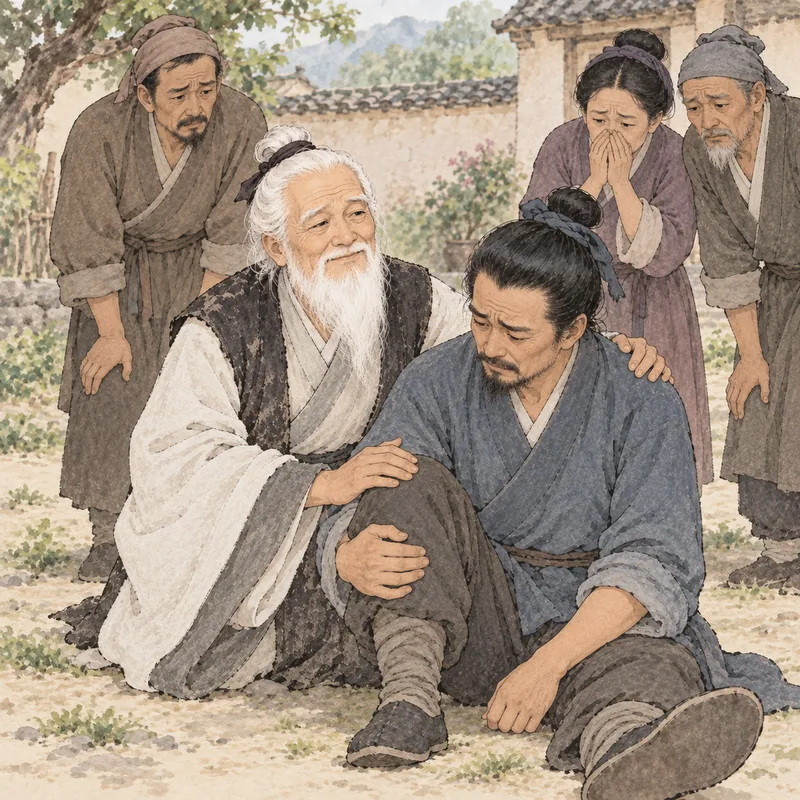
儿子骑新马,摔下来,腿断了。
His son rode the new horse, fell, and broke his leg.
Su hijo montó el caballo nuevo, se cayó y se rompió la pierna.
邻居又说:真可惜。
Again the neighbours said: what a shame.
Otra vez los vecinos dijeron: qué lástima.
老人还是那句:不一定是坏事。
And again the old man said: this may not be a bad thing.
Y otra vez el anciano dijo: puede que no sea algo malo.
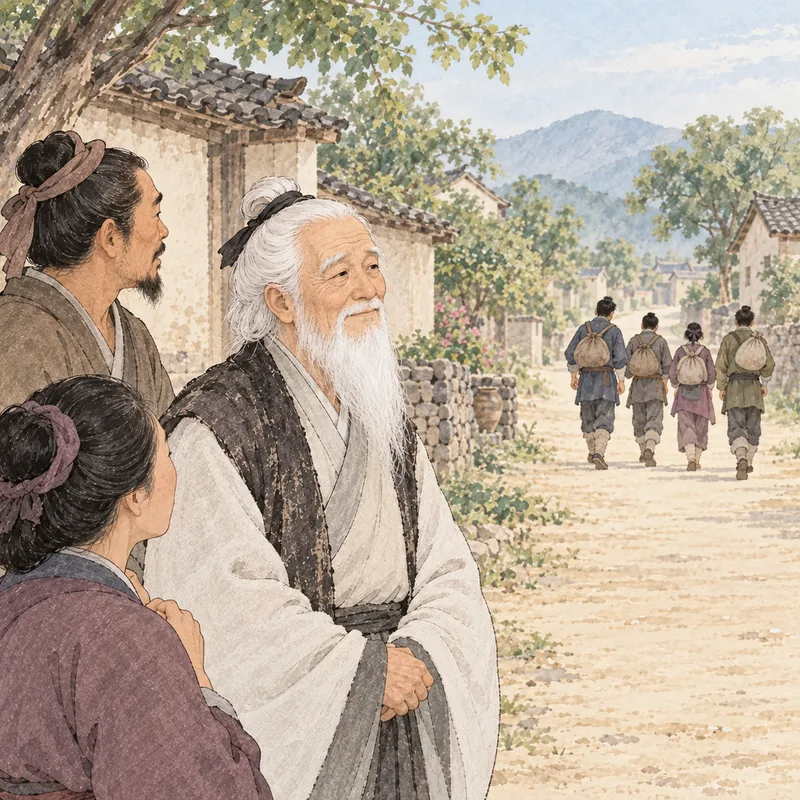
后来打仗了,村里的年轻人都走了。
Later a war came, and the young men of the village all went.
Después vino una guerra y todos los jóvenes del pueblo se fueron.
儿子腿不好,留在家里。
The son's leg was bad, so he stayed home.
El hijo tenía la pierna mal, así que se quedó en casa.
这一次,邻居没有说话。
This time the neighbours said nothing.
Esta vez los vecinos no dijeron nada.

是好是坏,当时看不出来。
Whether it is good or bad cannot be told at the time.
En el momento no se sabe si es bueno o malo.
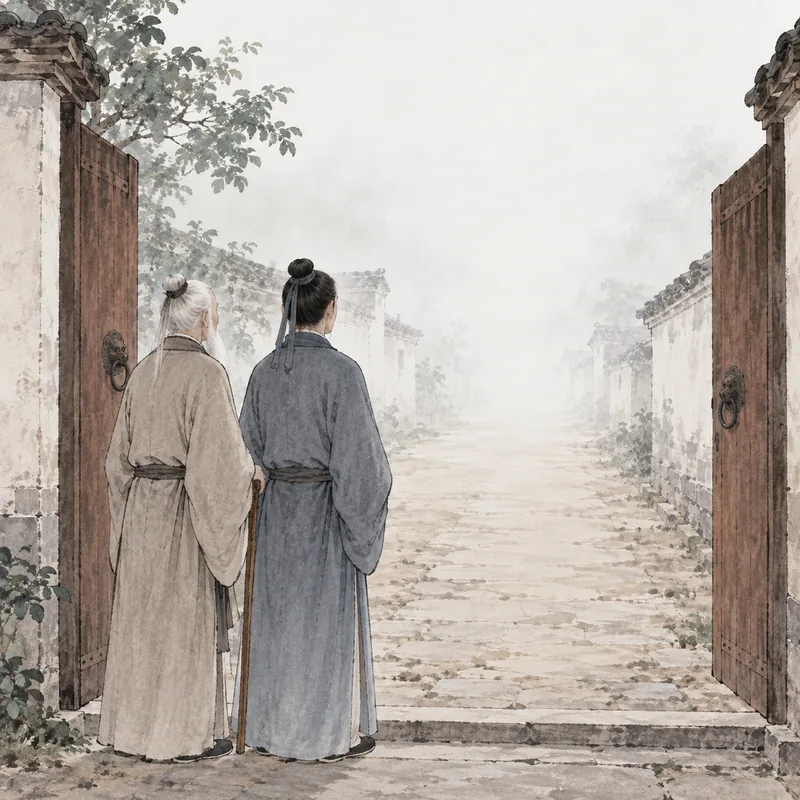
这个成语还有后半句:焉知祸福。
This idiom has a second half: 焉知祸福.
Este modismo tiene una segunda parte: 焉知祸福.
祸,是坏事。福,是好事。
祸 means a bad thing. 福 means a good thing.
祸 es algo malo. 福 es algo bueno.
谁知道是祸是福呢?
So: who knows whether it is bad or good?
Entonces, ¿quién sabe si es malo o bueno?

那天没赶上车,只好走回家。
That day he missed the bus and had to walk home.
Ese día perdió el autobús y tuvo que volver caminando.
路上碰见了好久不见的朋友。
On the way he ran into a friend he had not seen for years.
Por el camino se encontró con un amigo al que hacía años que no veía.
要是那天赶上了车,他会碰见朋友吗?
If he had caught the bus that day, would he have met his friend?
Si hubiera alcanzado el autobús, ¿se habría encontrado con su amigo?