负荆请罪(二级)
Carrying Thorns to Ask for Punishment (Level 2)
Cargar espinas para pedir castigo (Nivel 2)
fùjīngqǐngzuì
负荆请罪
Carrying Thorns to Ask for Punishment
一次看完 · The whole book at once
负荆请罪
Carrying Thorns to Ask for Punishment
Cargar espinas para pedir castigo
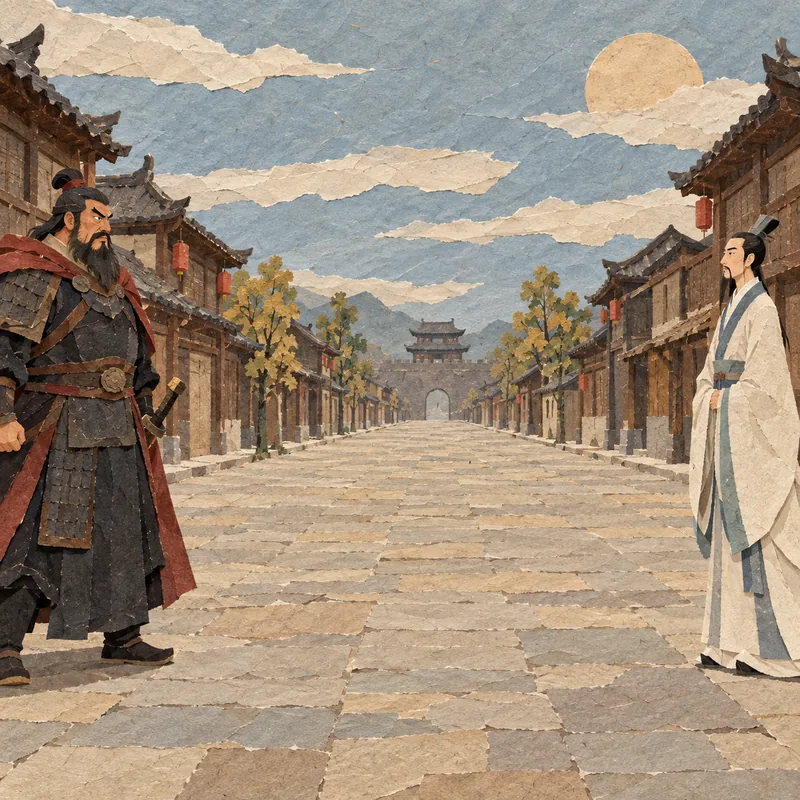
老将军打了一辈子仗。
The old general had fought all his life.
El viejo general había peleado toda la vida.
蔺相如没打过仗,官却比他大。
Lin Xiangru had never fought, yet ranked above him.
Lin Xiangru nunca había peleado y, aun así, estaba por encima de él.
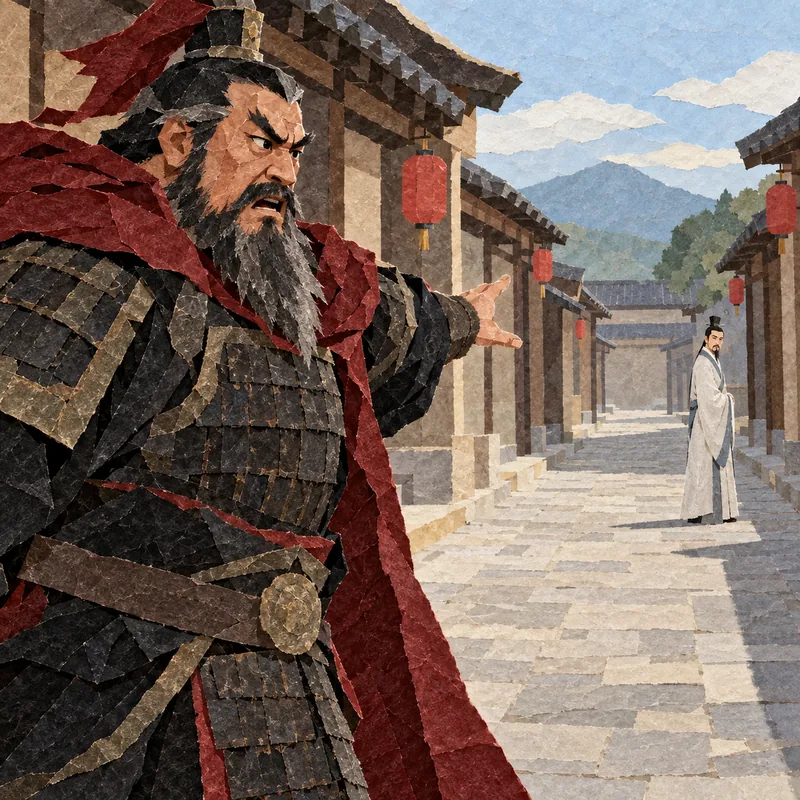
老将军很不服气:我打了一辈子仗,他只会说话。
The old general would not have it: I have fought all my life, and he only talks.
El viejo general no lo aceptaba: yo he peleado toda la vida y él solo habla.
见了他,我一定不让他好过。
If I meet him, I will make him regret it.
Si me lo encuentro, se va a arrepentir.

蔺相如听说了,就躲着他。
Lin Xiangru heard of it and kept out of his way.
Lin Xiangru se enteró y empezó a evitarlo.
看见他的车,就叫车拐进小巷。
Seeing his carriage, he would turn into a side lane.
Al ver su carruaje, hacía girar el suyo hacia un callejón.
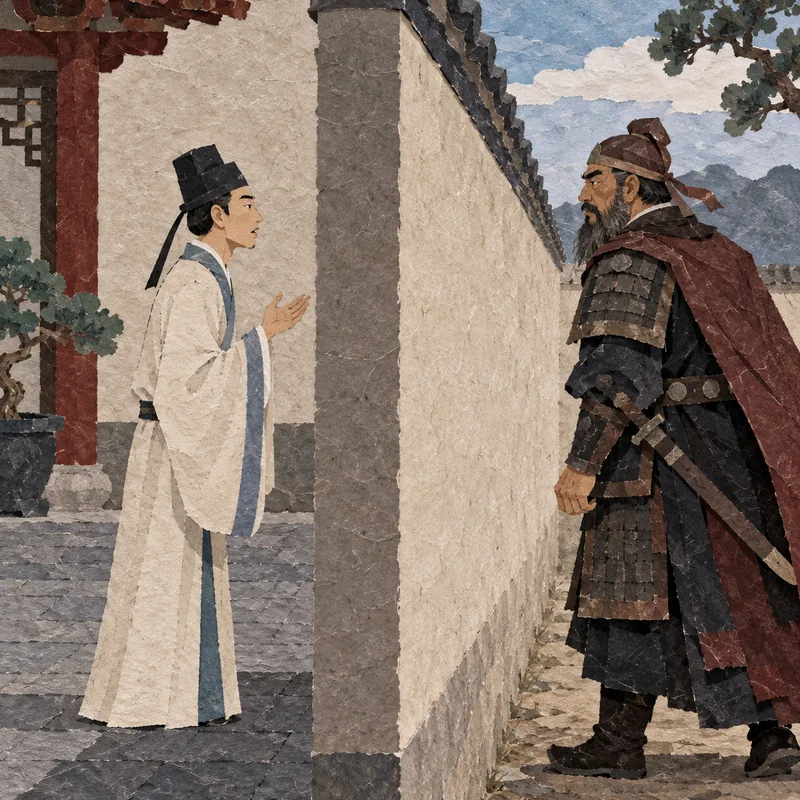
蔺相如说:敌人不敢来打我们,是因为我们两个都在。
Lin Xiangru was saying: the enemy does not attack us because we are both here.
Lin Xiangru decía: el enemigo no nos ataca porque estamos los dos.
我们两个打起来,吃亏的是赵国。
If we two fight each other, it is Zhao that suffers.
Si nosotros dos peleamos, el que pierde es Zhao.
老将军正好走过墙外,全听见了。
The old general happened to be passing outside the wall, and heard every word.
El viejo general pasaba justo al otro lado del muro y lo oyó todo.
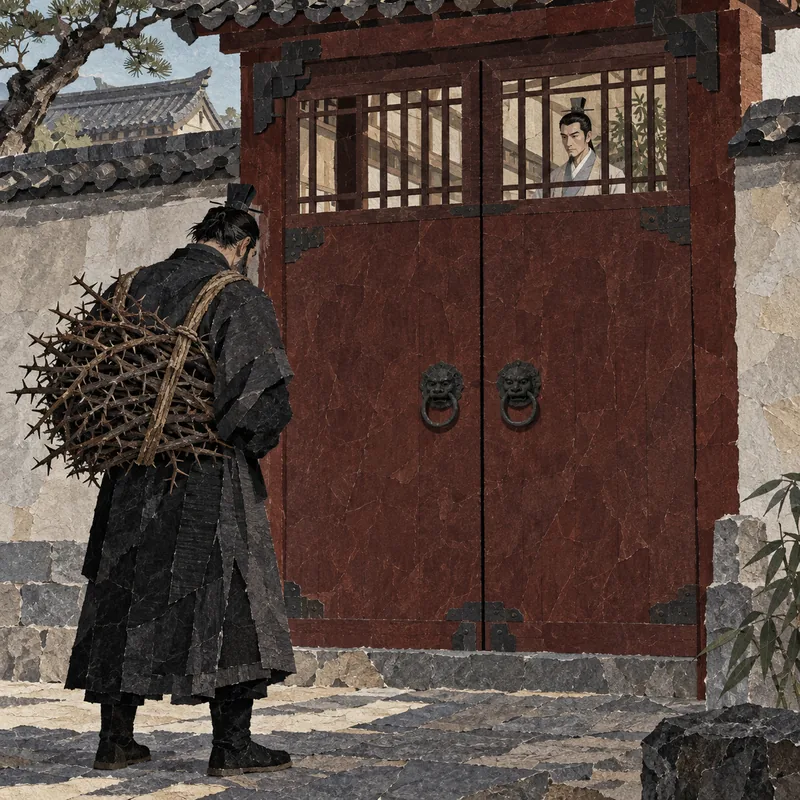
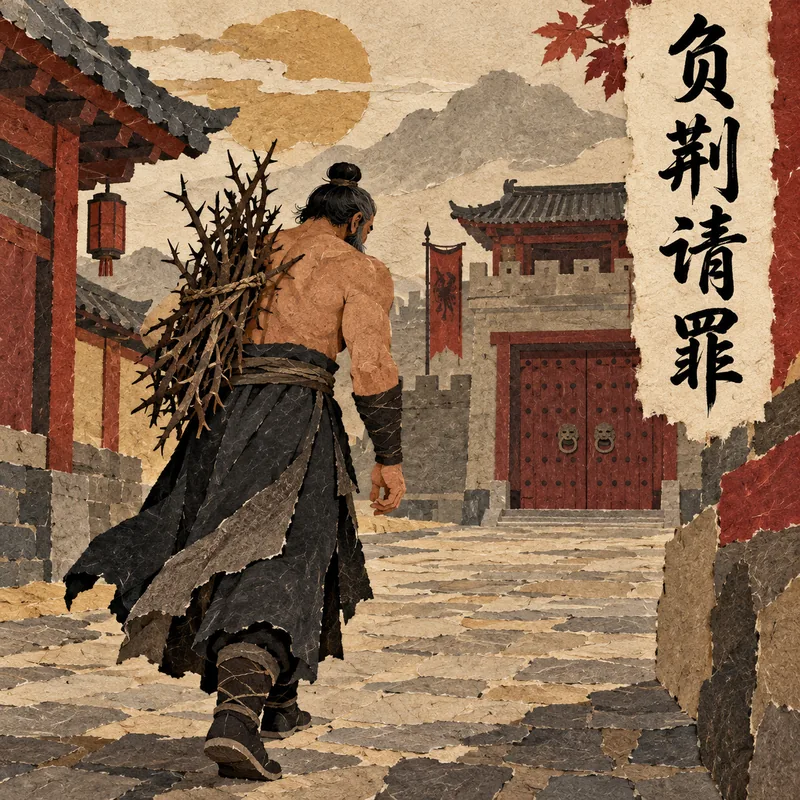
他脱了上衣,背上一捆荆条,走到蔺相如家门口。
He bared his back, took up a bundle of thorn rods, and walked to Lin Xiangru's gate.
Se desnudó la espalda, cargó un haz de varas de espino y fue hasta la puerta de Lin Xiangru.
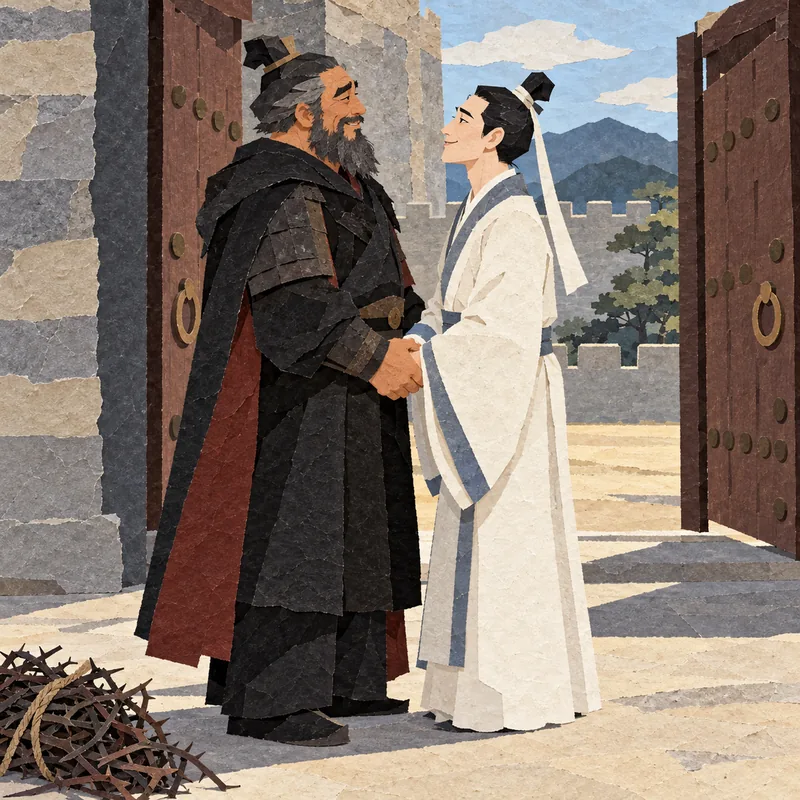
门开了。
The gate opened.
La puerta se abrió.
蔺相如把荆条拿下来,两个人的手握在一起。
Lin Xiangru took the thorns from his back, and the two clasped hands.
Lin Xiangru le quitó las espinas y los dos se dieron la mano.
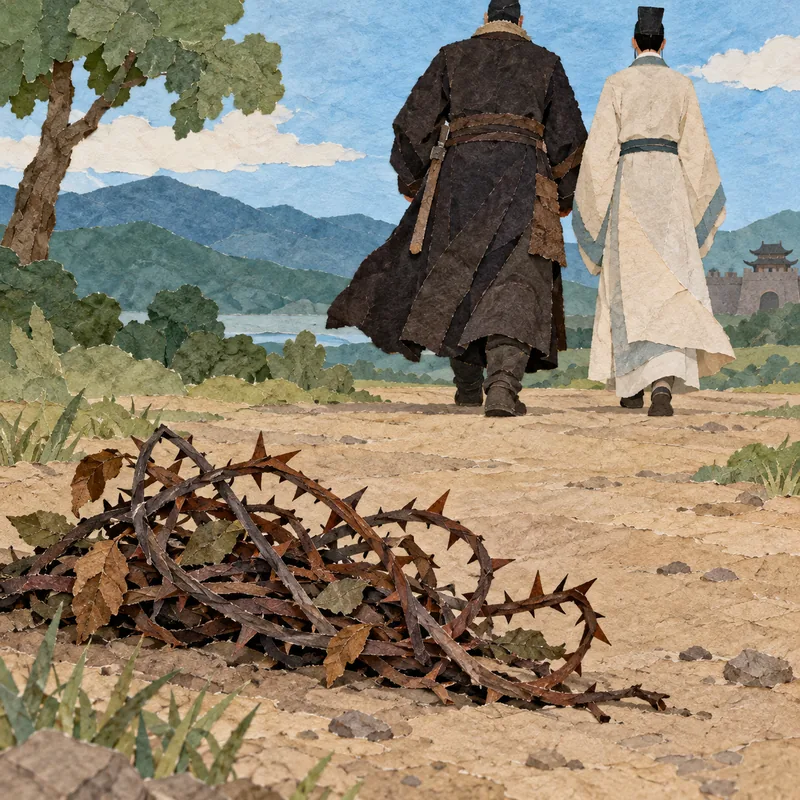
荆条掉在地上,谁也没有再看它。
The thorns fell to the ground, and neither of them looked at them again.
Las espinas cayeron al suelo y ninguno de los dos volvió a mirarlas.
错了就认,不丢人。
Owning a mistake costs you nothing.
Reconocer un error no te quita nada.

上次是我说错了话。
Last time it was I who said the wrong thing.
La última vez fui yo quien dijo algo que no debía.
昨天我去敲了他的门。
Yesterday I went and knocked on his door.
Ayer fui y toqué a su puerta.
先说对不起的那个人,输了吗?
The one who says sorry first — did they lose?
El que pide perdón primero, ¿ha perdido?