哭出来就好了
Let It All Out
Llorar no es de débiles
📚 难的时候说的话 · Sayings for hard days · Dichos para días difíciles · 8 本 · 8 books →
看朗读视频:点下面的按钮 · Watch the read-along: tap a button · Ver el video: toca un botón
锁屏也能听 · Works with the screen locked · Funciona con la pantalla bloqueada

kū chūlai jiù hǎo le
哭出来就好了
Let It All Out
一次看完 · The whole book · Todo el cuento
哭出来就好了
Let It All Out
Llorar no es de débiles

Luis,奶奶昨天晚上走了。
Luis, Grandma passed away last night.
Luis, la abuela falleció anoche.
什么?我上个星期天还跟她打过电话……
What? I talked to her on the phone just last Sunday…
¿Qué? Hablé con ella por teléfono el domingo pasado…
葬礼是星期六。你能回来吗?
The funeral is on Saturday. Can you come home?
El funeral es el sábado. ¿Puedes venir?
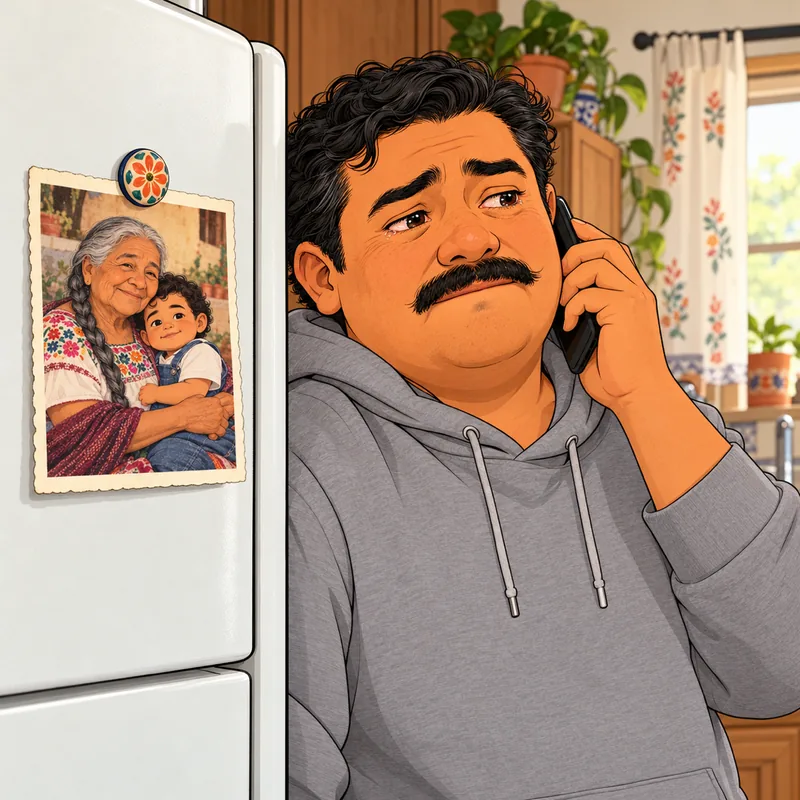
我回不去。机票太贵,我也请不了那么多天假。
I can't go back. The plane ticket is too expensive, and I can't take that many days off.
No puedo ir. El boleto es muy caro y no me dan tantos días libres.
Luis……我好难过。
Luis… I'm so sad.
Luis… estoy tan triste.
别哭,Lupe。我没事。我真的没事。
Don't cry, Lupe. I'm fine. I'm really fine.
No llores, Lupe. Estoy bien. De veras, estoy bien.
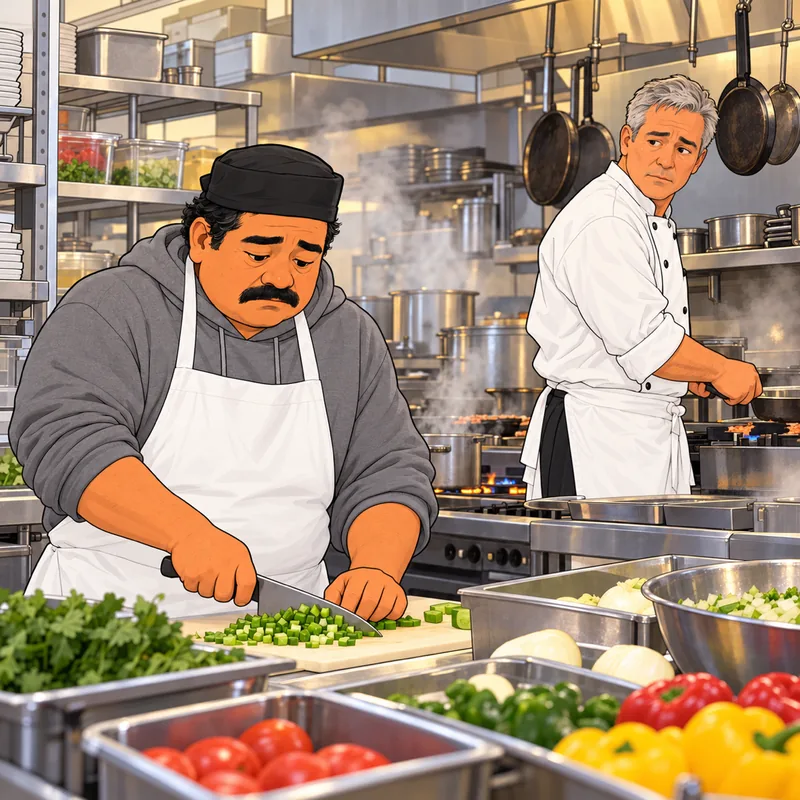
Luis,你脸色不好。你还好吗?
Luis, you look pale. Are you okay?
Luis, te ves pálido. ¿Estás bien?
我没事,我很好。
I'm fine. I'm good.
Estoy bien. Todo bien.

Luis,你今天一个笑话都没讲。出什么事了?
Luis, you haven't told a single joke today. What happened?
Luis, hoy no has contado ni un chiste. ¿Qué pasó?
我奶奶走了。是她把我养大的。可是我不能回去送她。
My grandma passed away. She raised me. But I can't go back to say goodbye.
Murió mi abuela. Ella me crió. Pero no puedo ir a despedirla.

想哭就哭吧。
If you want to cry, go ahead and cry.
Si quieres llorar, llora.
男人不能哭。我爸爸从小就这么说。
Men don't cry. My dad told me that since I was little.
Los hombres no lloran. Mi papá me lo decía desde niño.
中国人说:“男儿有泪不轻弹。”可是后面还有一句:“只因未到伤心处。”
Chinese people say: "A man doesn't shed tears easily." But there's a second half: "Only because his heart isn't broken yet."
En chino decimos: «Un hombre no llora fácilmente». Pero sigue: «Solo porque aún no le han roto el corazón».

哭出来就好了。我们都在这儿。
Let it all out. We are all here.
Desahógate. Aquí estamos todos.
奶奶每个星期天都给我做玉米饼。我好想她。
Every Sunday, Grandma made tortillas for me. I miss her so much.
Cada domingo mi abuela me hacía tortillas. La extraño mucho.

西班牙语说:Llorar no es de débiles —— 哭,不是软弱。
In Spanish we say: "Llorar no es de débiles" — crying isn't weakness.
En español decimos: «Llorar no es de débiles».
英文说:“Let it all out.” 都哭出来吧。
In English we say: "Let it all out."
En inglés decimos: «Let it all out», sácalo todo.
哭完了,心里会轻一点。
After you cry, your heart feels a little lighter.
Después de llorar, el corazón pesa un poco menos.

Lupe,我回不去,可是我做了奶奶的玉米饼。
Lupe, I can't come home, but I made Grandma's tortillas.
Lupe, no puedo ir, pero hice las tortillas de la abuela.
奶奶一定很高兴。
Grandma would be so happy.
La abuela estaría muy contenta.
那天晚上我哭了很久。哭出来,心里好多了。
That night I cried for a long time. After I let it all out, I felt much better.
Esa noche lloré mucho. Después de desahogarme, me sentí mucho mejor.

三种语言,意思差不多:中文说“哭出来就好了”;英文说“Let it all out”;西班牙文说“哭,不是软弱”。
Three languages, almost the same meaning: Chinese says "哭出来就好了" — once you cry it out, you'll feel better. English says "Let it all out." Spanish says "Llorar no es de débiles" — crying isn't weakness.
Tres idiomas, casi lo mismo: el chino dice «哭出来就好了», llorar te hará sentir mejor. El inglés dice «Let it all out». El español dice «Llorar no es de débiles».
很多移民离家很远,亲人走了,却不能回去参加葬礼。可以在视频里参加,可以点一根蜡烛,做一道亲人爱吃的菜,也可以跟朋友说一说。如果难过了很久还是好不起来,可以跟医生说。
Many immigrants live far from home. When someone they love dies, they can't always go back for the funeral. You can join by video, light a candle, cook a dish they loved, or talk with a friend. If the sadness lasts a long time and doesn't get better, you can tell your doctor.
Muchos inmigrantes viven lejos de casa. Cuando muere un ser querido, no siempre pueden ir al funeral. Puedes acompañar por videollamada, encender una vela, cocinar un plato que le gustaba o hablar con un amigo. Si la tristeza dura mucho y no mejora, puedes decírselo a tu médico.
生词 · Words in this book · Palabras
130 个词 ,其中 42 个是全站第一次出现 · 130 words, 42 appearing for the first time anywhere on the site
- 哭kū
- 出来chūlai
- 就jiù
- 好hǎo
- 了le
- 奶奶nǎinai
- 昨天zuótiān
- 晚上wǎnshang
- 走zǒu
- 什么shénme
- 我wǒ
- 上个shàng ge
- 星期天xīngqītiān
- 还hái
- 跟gēn
- 她tā
- 打dǎ
- 过guo
- 电话diànhuà
- 葬礼zànglǐ
- 是shì
- 星期六xīngqīliù
- 你nǐ
- 能néng
- 回来huílai
- 吗ma
- 回不去huí bu qù
- 机票jīpiào
- 太tài
- 贵guì
- 也yě
- 请不了qǐng bu liǎo
- 那么nàme
- 多duō
- 天tiān
- 假jià
- 难过nánguò
- 别bié
- 没事méishì
- 真的zhēnde
- 脸色liǎnsè
- 不bù
- 还好hái hǎo
- 很hěn
- 今天jīntiān
- 一个yí ge
- 笑话xiàohua
- 都dōu
- 没méi
- 讲jiǎng
- 出chū
- 事shì
- 把bǎ
- 养大yǎngdà
- 的de
- 可是kěshì
- 不能bù néng
- 回去huíqu
- 送sòng
- 想xiǎng
- 吧ba
- 男人nánrén
- 爸爸bàba
- 从小cóngxiǎo
- 这么zhème
- 说shuō
- 中国人Zhōngguórén
- 男儿nán'ér
- 有yǒu
- 泪lèi
- 轻qīng
- 弹tán
- 后面hòumian
- 还有hái yǒu
- 一句yí jù
- 只zhǐ
- 因yīn
- 未wèi
- 到dào
- 伤心shāngxīn
- 处chù
- 我们wǒmen
- 在zài
- 这儿zhèr
- 每个měi ge
- 给gěi
- 做zuò
- 玉米饼yùmǐbǐng
- 西班牙语Xībānyáyǔ
- 不是bú shì
- 软弱ruǎnruò
- 英文Yīngwén
- 完wán
- 心里xīnli
- 会huì
- 一点yìdiǎn
- 一定yídìng
- 高兴gāoxìng
- 那天nà tiān
- 久jiǔ
- 三种sān zhǒng
- 语言yǔyán
- 意思yìsi
- 差不多chàbuduō
- 中文Zhōngwén
- 西班牙文Xībānyáwén
- 很多hěn duō
- 移民yímín
- 离lí
- 家jiā
- 远yuǎn
- 亲人qīnrén
- 却què
- 参加cānjiā
- 可以kěyǐ
- 视频shìpín
- 里li
- 点diǎn
- 一根yì gēn
- 蜡烛làzhú
- 一道yí dào
- 爱ài
- 吃chī
- 菜cài
- 朋友péngyou
- 说一说shuō yi shuō
- 如果rúguǒ
- 还是háishi
- 好不起来hǎo bu qǐlái
- 医生yīshēng


